
Guide
Why a Door Goes Off Track in Midland
Midland houses built between 1952 and 1994 use track hardware that shifts with hard freezes. Here's why doors jump track and what to check before you call.
Local detail
Checking It Yourself
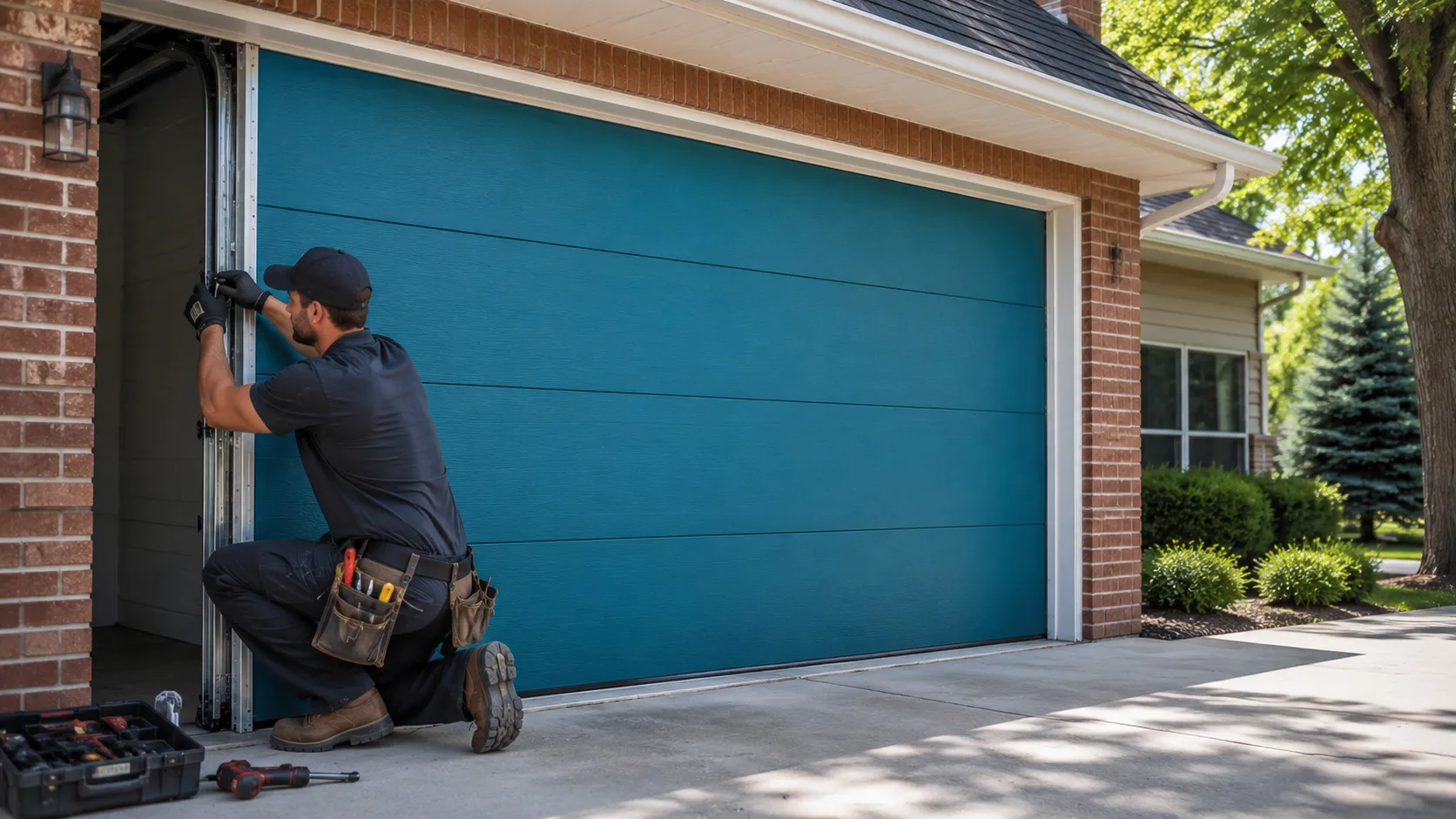
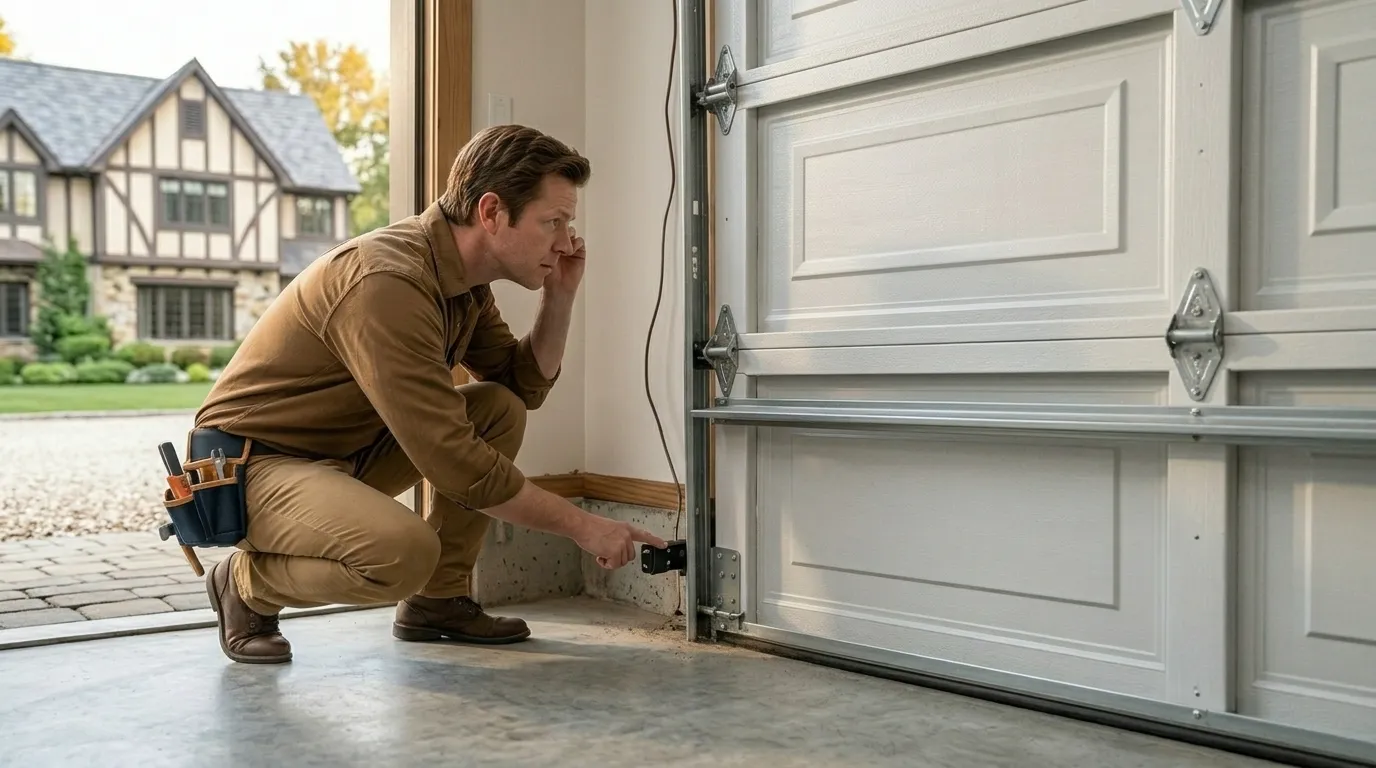
Look at the track first, not the door. On the older side of Midland, where houses went up in the 1960s and 70s, the vertical track sections were bolted to wood jambs that have shrunk and moved over sixty-plus years. Stand inside the garage with the door down and run a flashlight along both tracks from floor to header. You're looking for a gap between the track and the bracket, or a bracket that's rotated so the track leans in or out at the top. Grab the track with both hands and try to rock it - if it moves more than a fraction of an inch, that's your problem, not the rollers.
Check the rollers next. On a door this age, factory steel rollers wear a groove into themselves over time, and a worn roller rides loose in the track even when the track is straight. If the roller wobbles side to side while the door is stationary, it's shot.
One thing you can't fix from the inside: if the bottom bracket has bent or the cable has jumped its drum, the door can look like it's off track when the real issue is the cable side, under spring tension. Don't put your fingers near that bracket while the door is closed and loaded.
The area
Leaving It Alone
Stop pulling on a door that's already jumped the track. Once a roller has left the channel, the door is being held up by whatever's left engaged - sometimes just one track and a bent hinge. Forcing it up or down with the opener can tear the track loose from the jamb entirely, and on houses from the 1952-1994 build era, those jambs are original lumber that doesn't take a second round of lag bolts well.
If a spring let go at the same moment the door left the track - which happens more than people expect, since a snapped torsion spring drops the door unevenly and can walk a roller right out of the channel - do not touch the door at all. That's a two-person job with bar clamps, not a homeowner fix.
We don't recommend re-hanging a door yourself once it's off track, even for a straightforward-looking one-car door. Realigning track to a bracket that's already pulled loose from an aging jamb usually means redrilling into wood that won't hold the same screw twice, and that's a call, not a weekend project.
What we find
The Situation
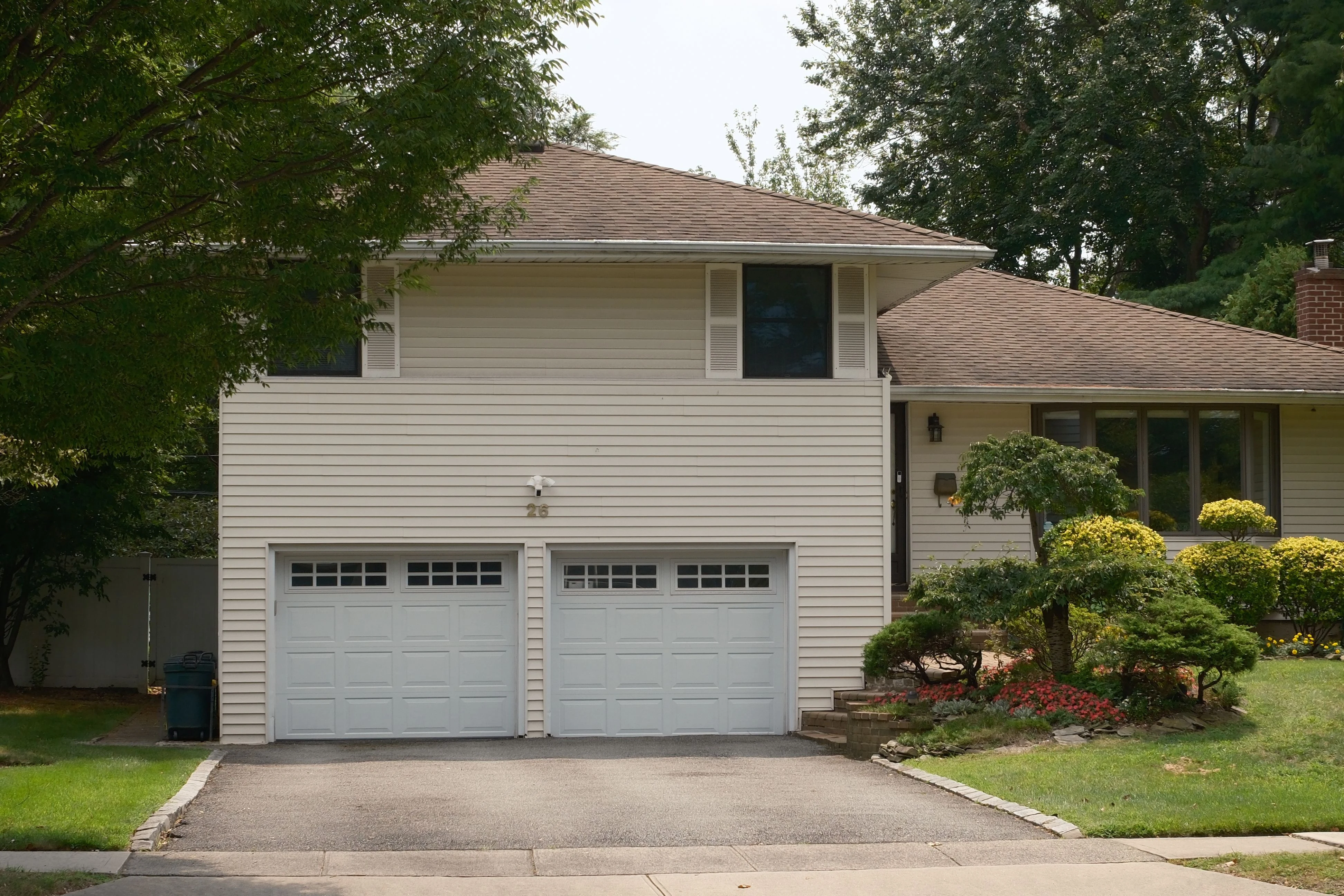
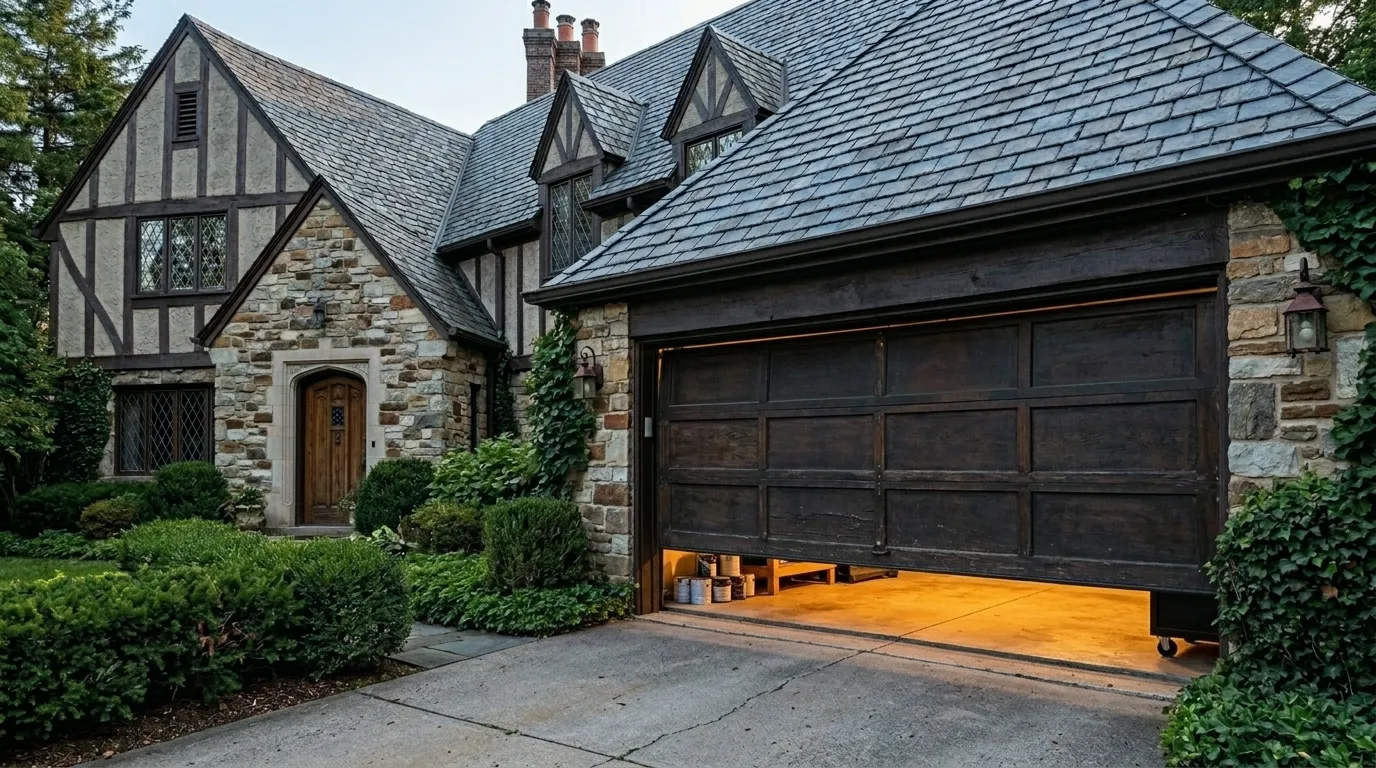
Midland's housing stock runs 1952 to 1994, with a median build year of 1973, and that matters here because track brackets and jamb material from that era were never designed for door hardware sized for today's insulated panels. Across the 16 communities in this service area - Homer, Lincoln, Auburn, Sanford, Freeland, and the rest out to Essexville - most garages share that same window of construction, which means the same failure pattern shows up house after house: track brackets loosening at the top plate first, years before the rollers themselves wear out.
With 13,974 owner-occupied houses among the 18,597 households in the area, a lot of these garages are original to the house and have never had the track re-shimmed. It's not a defect in the door - it's decades of wood movement finally catching up to hardware that was set once and never checked again.
How we work
How Local Conditions Play In
This area sits in a severe cold climate band, and that's the piece people miss. Steel track contracts in deep cold, and on a garage that isn't heated - which describes most of the detached and attached garages built in this housing stock - the metal-to-wood connection at each bracket flexes every winter as temperatures swing. Over enough winters, the lag screws work loose in the jamb a little at a time, and a track that was dead straight in July can be a quarter-inch off by January.
Cold also stiffens the grease in the rollers and hinges, so a door that's marginally out of alignment fights harder to move on the first really cold morning of the season - and that extra resistance is often what finally pulls a loose bracket the rest of the way out. If your door has been fine all year and suddenly binds or jumps track on a hard-freeze morning, the track alignment was already marginal; the cold just found it.
Questions
Common questions
Why did my garage door suddenly jump the track after years of working fine?
Usually it's not sudden - the track bracket has been working loose from the jamb for years, and a hard freeze or a slightly worn roller finally pushed it past the point where it could hold. Houses in this area built between 1952 and 1994 often have original brackets that have never been re-tightened.
Can I push the door back onto the track myself?
Not safely. Once a roller leaves the channel, the door may be held by only one track and the spring is often still under load. Forcing it can bend the bracket further or pull it out of the jamb. This is a call, not a DIY fix.
Is cold weather really connected to my door coming off track?
Yes. This area sits in a severe cold climate band, and steel track contracts and expands with temperature swings, gradually loosening the screws holding the bracket to the jamb. A door that's marginal all year often fails on the first hard-freeze morning.
My house is from the 1970s - is that relevant to this problem?
It is. Median housing here dates to 1973, and track hardware from that build era was set into original jamb lumber that has since shrunk and shifted. That's a big part of why older track brackets loosen before the rollers themselves wear out.
Ready when you are
Need a garage door sorted in Midland?
Midland Garage Door Pros repairs and installs garage doors, springs and openers in Midland, MI and the surrounding area.