
Midland, MI
Garage Door Service Built Around Midland's Older Housing Stock
Midland Garage Door Pros services garage doors across Midland, MI homes built mostly between 1952 and 1994, tuned for the area's cold, severe winters.
What we do
Garage door work in Midland
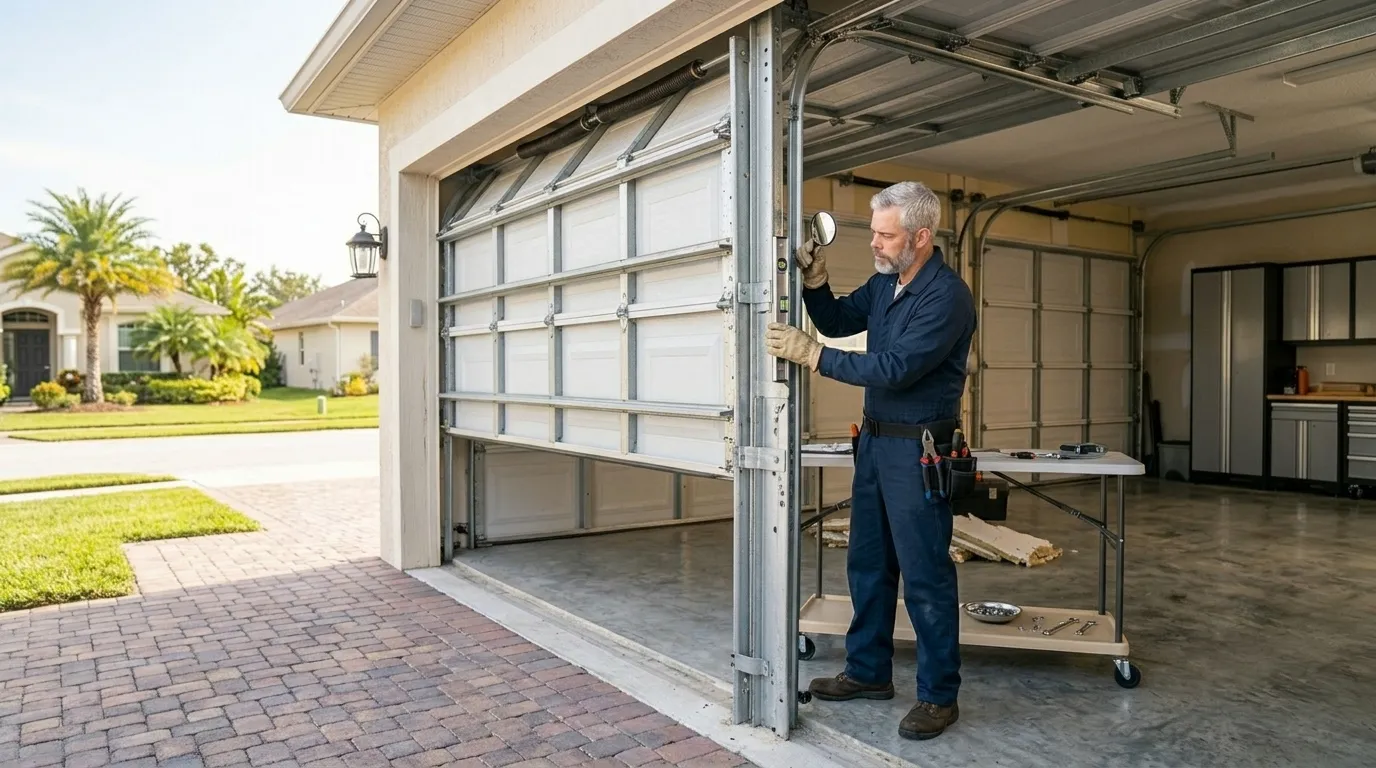
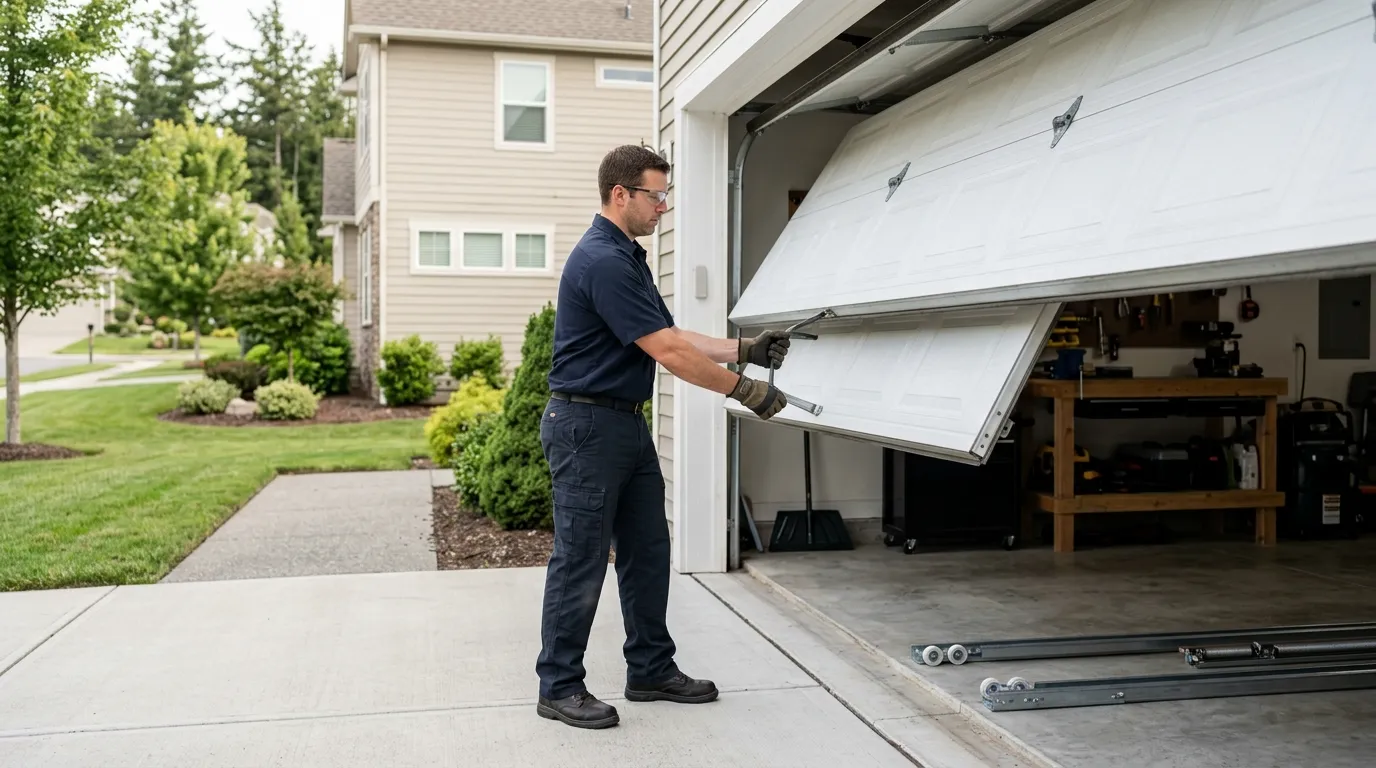
Garage Door Repair for Midland's Original Hardware
Torsion springs on Midland's 1960s-70s builder-grade doors fail under repeated winter cold snaps. Learn more →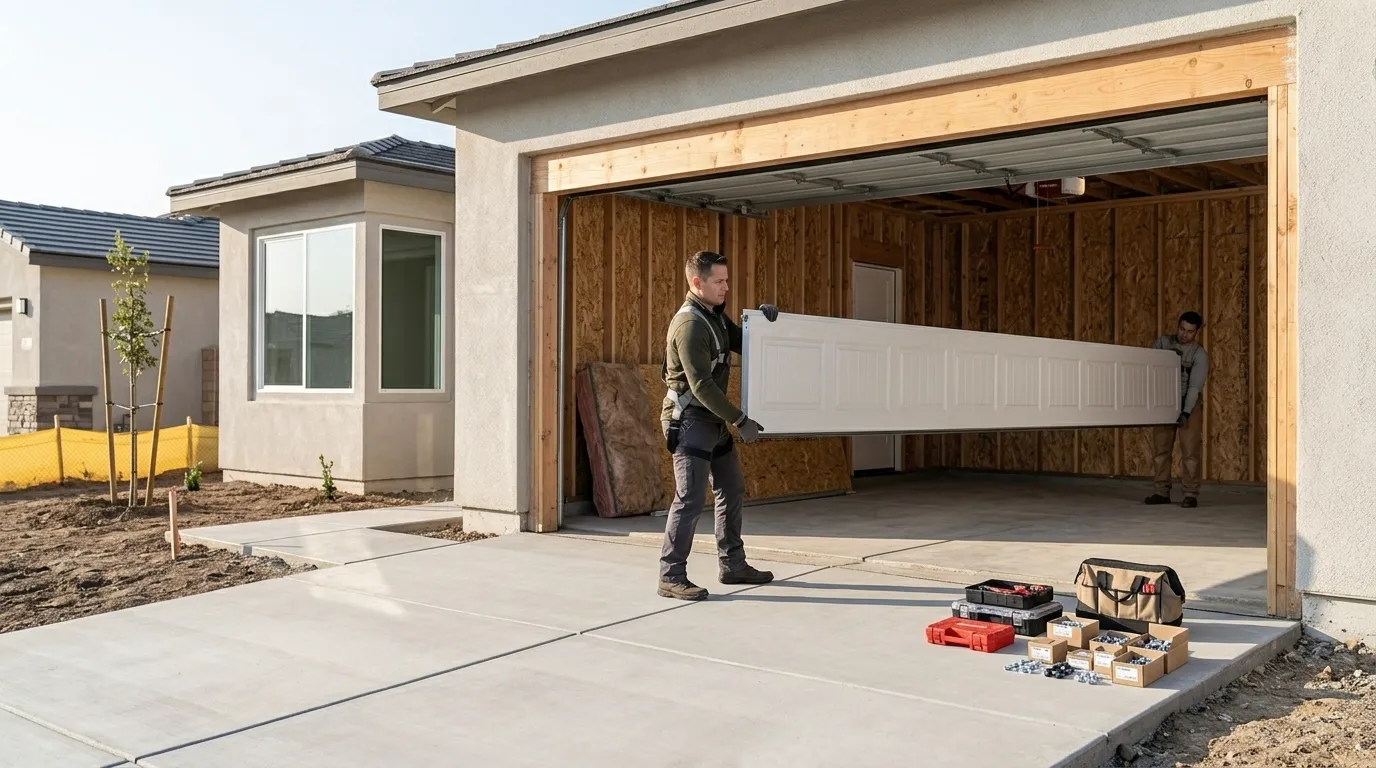
Garage Door Installation for Midland Homes
Serving Midland's 1960s-70s housing stock with garage door installation built for severe cold winters. Learn more →Local detail
Why It Happens Here
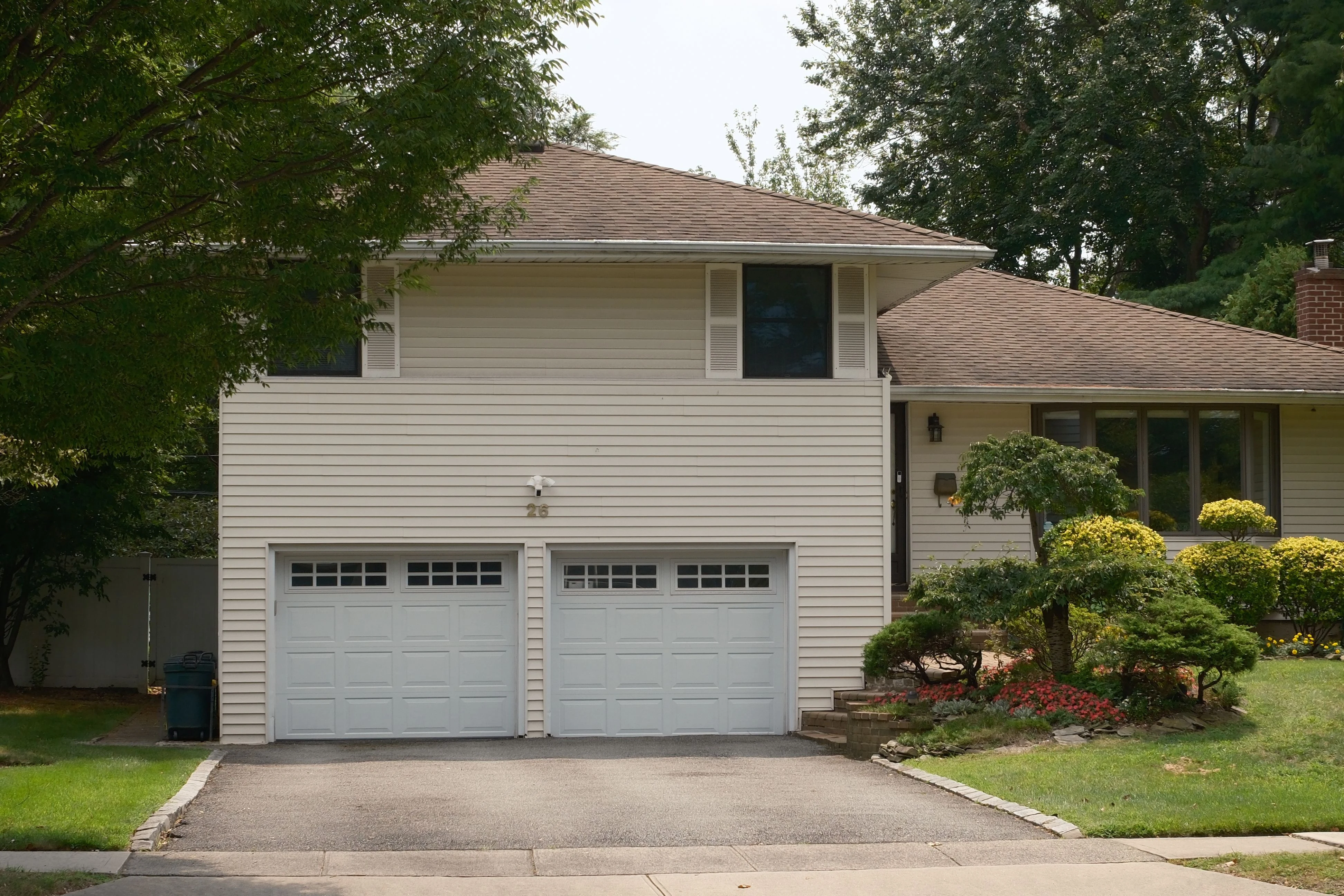
Most of the houses we get called to went up between 1952 and 1994, and the heaviest concentration sits in the 1960s and 70s, spread across the sixteen named areas we cover from Homer to Essexville. That matters because a torsion spring is rated for a set number of open-close cycles, and a spring installed during that build boom is now decades past due, whether or not it's ever been touched.
Cold makes it worse. Midland sits in a climate band the federal data marks cold and severe, which means steel contracts hard every winter and the grease in an old bearing plate stiffens up right when the door has to work hardest lifting a slab that's picked up moisture weight. A spring that's been quietly fatiguing for forty winters usually lets go on the coldest morning of the year, not a mild one.
We also see original hardware from that era still bolted in place - side-mounted torsion setups, single-thickness panels, openers with chain drives long since discontinued. None of that is a flaw in the house. It's just old, and old steel in a cold climate fails on a schedule you can roughly predict once you know when the neighborhood was built.
The area
How We Fix It
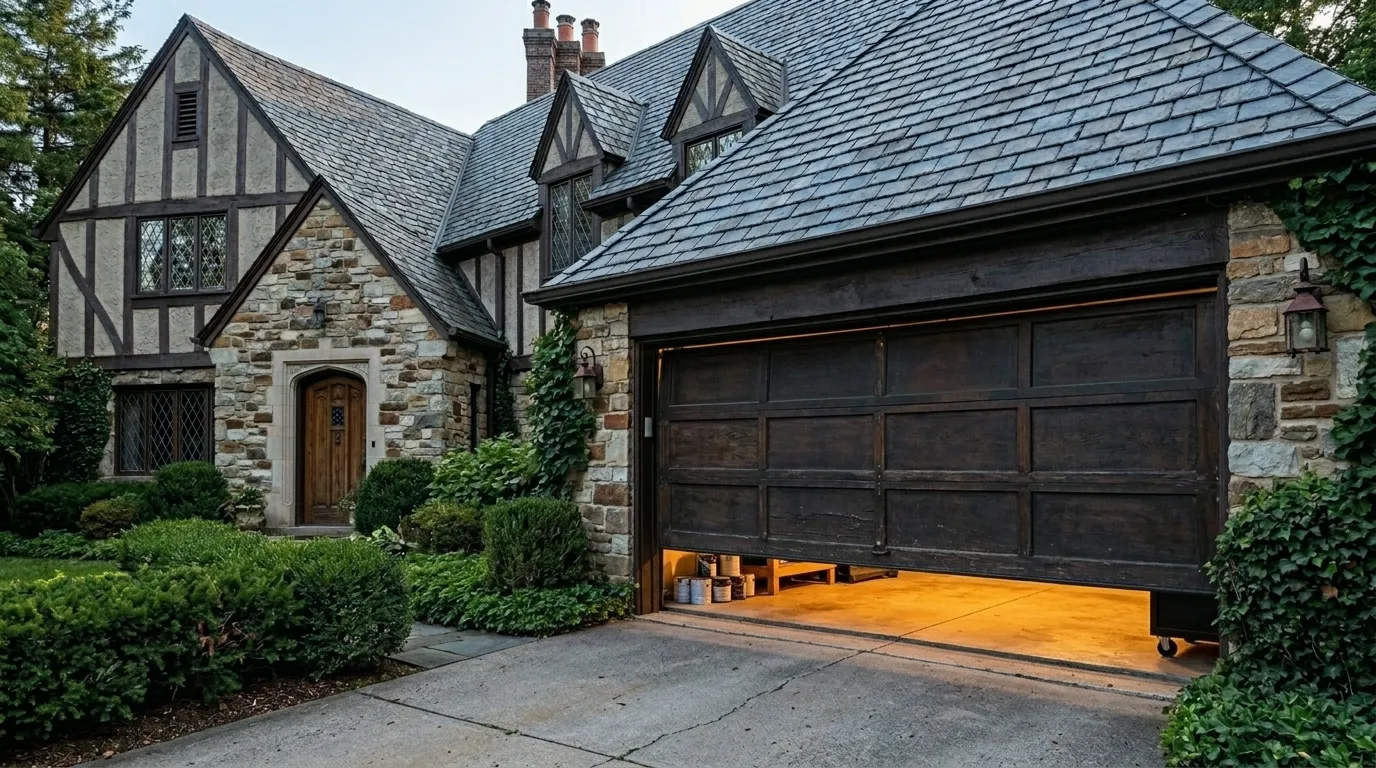
We start by looking at what's actually original versus what's been replaced, because a house built in 1968 might have a spring from 1968 or one from three years ago - you can't tell from the street. We check spring wind and cycle wear, track alignment, cable fray, and whether the opener's force settings still match a slab that's heavier than it was when the unit was installed.
For the common failure - torsion spring snapped or badly weakened - we replace with hardware sized to the door and rated for cold-weather cycling, not whatever off-the-shelf spring happens to be closest in diameter. For openers original to a 1970s build, we're honest that some parts for that generation aren't stocked anywhere anymore; at that point replacing the opener costs less than chasing parts for one nobody makes.
One limitation worth saying plainly: if the door itself has warped panels or the track was never square from a settling foundation, a spring or cable fix won't hold long. We'll tell you when replacement is the better use of your money instead of billing you twice for the same symptom.
What we find
The Symptom
The door that used to lift with one hand suddenly needs both, or the opener strains and reverses partway up. Sometimes it's a loud bang from the garage first, then the door won't budge - that's almost always a torsion spring letting go. Other times it's slower: the door starts sagging on one side, or it takes visibly longer to close each week as a cable frays.
In houses from Midland's 1960s-70s build wave, we also see openers that run but don't actually move the door - the motor spins while the drive gear inside has stripped, a common failure once a unit's been carrying a heavier, older slab for years past its expected life. If your door reverses right after touching the floor, that's usually a limit setting or sensor issue rather than a spring problem, and it's a different fix.
A door that's merely noisy - squeaking rollers, a rattling track - isn't an emergency, but it's often the early warning sign before a spring or cable actually fails, especially heading into a hard winter.
How we work
How Long You Are Without the Door
For the parts we carry on the truck - standard torsion springs, cables, rollers, common opener boards - the door is usually back in service the same visit. What slows things down is original hardware from the older end of the area's build years: some 1960s and 70s track and drum configurations aren't a stock size anymore, and matching them can mean a short wait on parts rather than a same-visit fix.
We won't promise a turnaround time we can't back up, because it genuinely depends on what's actually broken and how old the hardware underneath it is. What we can tell you up front, after a look at the door, is whether you're looking at a same-day fix or a parts order - and if it's the second one, whether replacing the whole unit makes more sense than waiting on obsolete parts for a door that's already at the end of its run.
Questions
Common questions
Why do garage door springs seem to break more in winter here?
Cold contracts the steel in a torsion spring and stiffens the lubricant in its bearing, so a spring that's already fatigued from decades of cycling is under more stress on a cold morning than a mild one. Midland's climate band is rated cold and severe, and most of the housing stock here is old enough that the springs are original or close to it.
My house was built in the 1970s - is the opener original?
It's possible. A lot of the homes in Midland's service area, across neighborhoods built mainly between 1952 and 1994, still have openers or track hardware from that original build. We check what's actually installed before recommending anything, since some houses have already had parts replaced and some haven't.
Is it worth repairing an old opener or should I replace it?
Depends what's failed. If it's a common part - a board, a sensor, a drive gear for a still-supported model - repair usually makes sense. If it's a discontinued chain-drive unit from a 1960s or 70s install, parts can be hard to source, and at that point a new opener often costs less than chasing old parts.
Ready when you are
Need a garage door sorted in Midland?
Midland Garage Door Pros repairs and installs garage doors, springs and openers in Midland, MI and the surrounding area.