
Guide
Garage Doors Built for Midland's 1970s Housing Boom
Midland Garage Door Pros services garage doors on homes built 1952-1994 across Midland's older neighborhoods, sized for real cold winters, not showroom weather
Local detail
Checking It Yourself
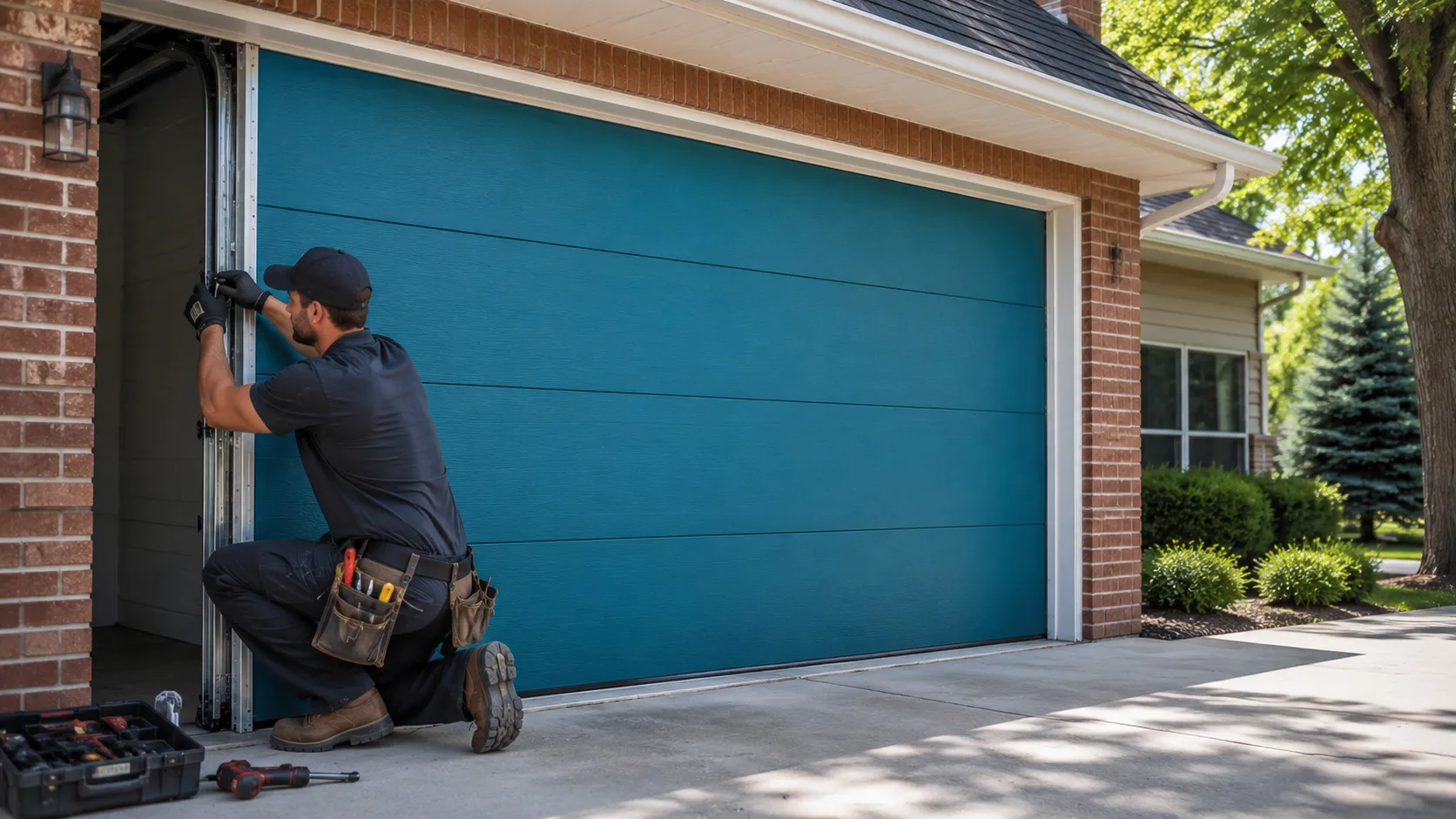
Most of the calls we get trace back to houses built between 1952 and 1994, with the median stamped right at 1973 - the heart of the 1960s-70s building wave that put up most of the neighborhoods we work in. A lot of those doors are single-layer steel or wood, no foam core, because insulation rules for garage doors weren't part of the code yet. You can check yours: put a hand flat against the inside of the door on a cold morning. If it's the same temperature as the outside air, you've got one of these original slabs. Check the bottom seal too - press a piece of paper under the door at a few spots along the track.
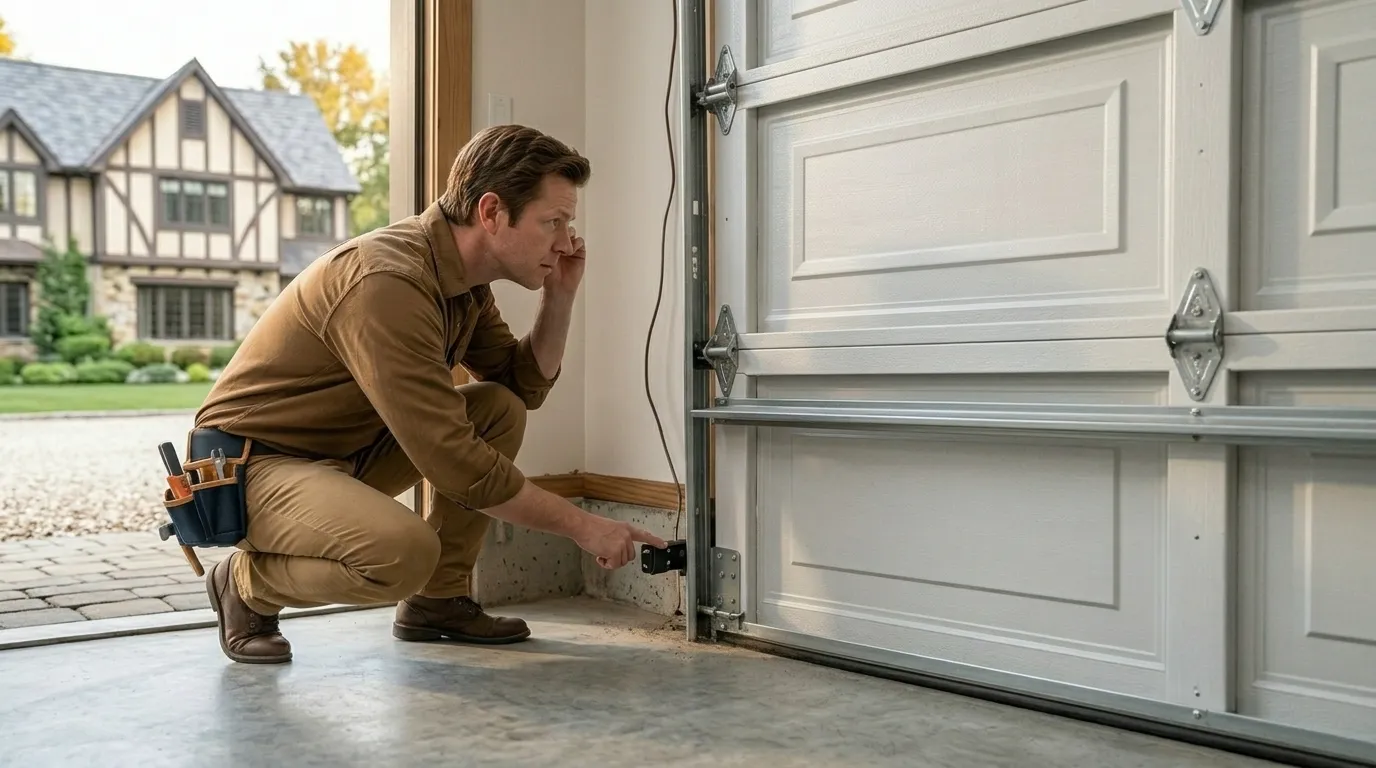
If it slides out easy, the seal's shot and cold air is getting in around it. Look at the rollers while you're down there. Cracked or flat-sided nylon rollers are common on doors this age and they're an easy swap. What you can't safely judge from a visual check is spring tension - a torsion spring that's held for fifty winters doesn't look different right before it lets go. That part needs hands-on work, not a glance.
The area
Leaving It Alone
Here's the honest limitation: we don't recommend touching torsion springs or cables yourself, and that goes double for doors from the 1952-1994 stock common here. Steel that's been through decades of severe cold winters gets brittle in ways you can't see, and a spring under tension that snaps mid-adjustment can break a hand or worse. Same goes for the cable drums on older two-piece track systems - the kind still bolted into a lot of houses from that 1973 median build year.
If your opener is straining, grinding, or reversing on its own, that's also a call-it-in situation rather than a troubleshoot-at-home one, because on hardware this old the failure is usually mechanical, not electrical, and mechanical failure on a spring-loaded door isn't forgiving. We'll say plainly that some of these original doors aren't worth repairing piece by piece anymore - once the insulation gap and the hardware age stack up, replacement usually costs less over five years than patching a door that was never built to today's spec.
What we find
The Situation
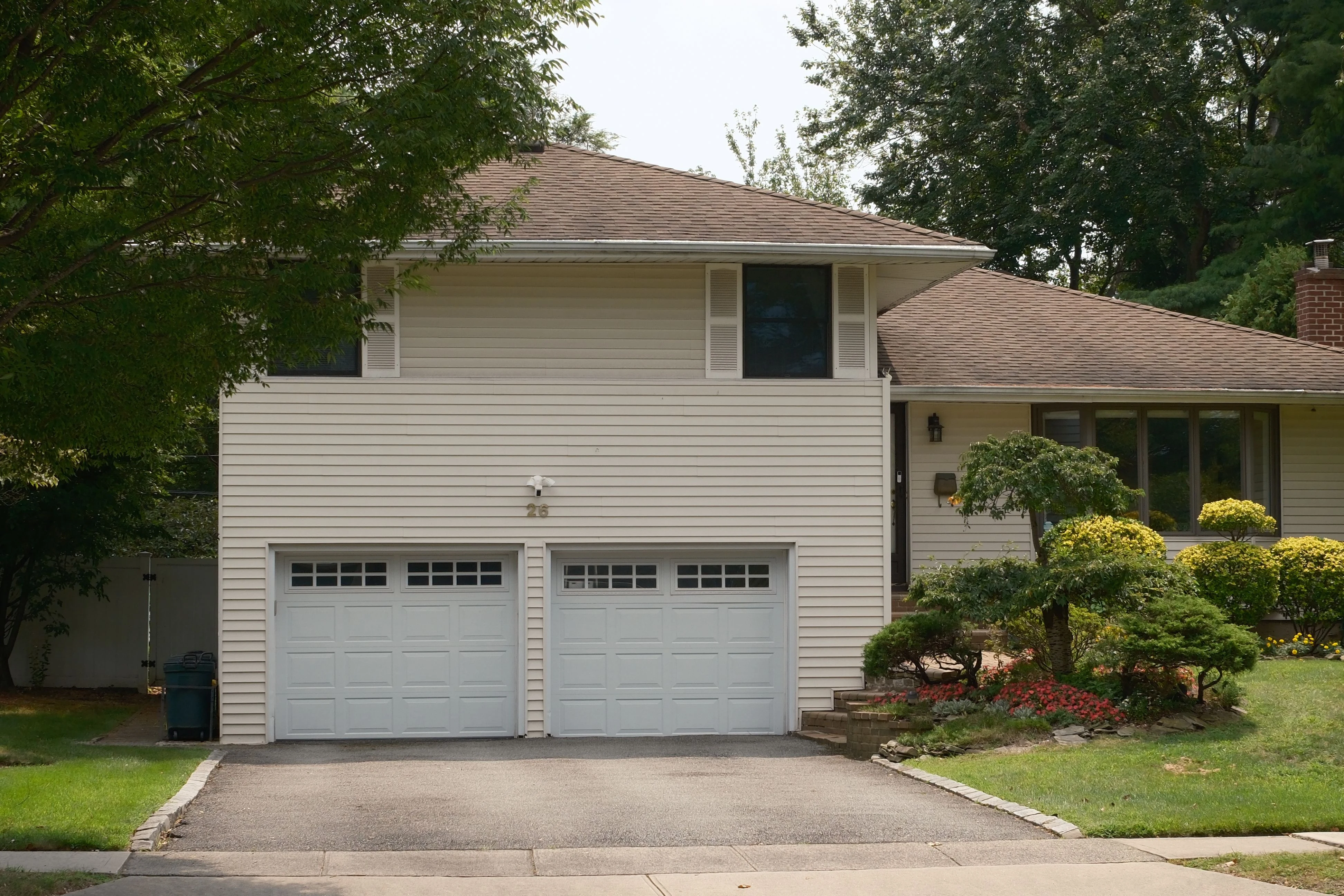
Across the sixteen communities we cover - Homer, Lincoln, Auburn, Sanford, Freeland, Richland, Kawkawlin, Hemlock, Merrill, Shields, Bentley, Fraser, Zilwaukee, Fremont, Breckenridge, and Essexville, running five to twenty miles out - the housing is overwhelmingly a 1952-1994 build, median 1973. That's 13,974 owner-occupied houses out of 18,597 households in the service area, which tells you most of these are owned, not rented, and owners tend to hold on to a door repair or replacement decision longer than a landlord would.
With median household income at $78,155, we see people who'll fix a door properly rather than patch it twice, but that doesn't mean money's unlimited - a lot of the calls we get are people trying to decide whether a repair now buys them five more years or just delays a replacement they're going to need anyway. On a door built to 1970s spec, that's usually a real question, not a sales pitch.
How we work
How Local Conditions Play In
Midland sits in a climate band rated cold-severe, and that matters more on the older half of the housing stock than the newer half. A door built in 1973 wasn't built to hold heat - it was built to keep rain and animals out, full stop. Insulation rules for garage doors came later, so a big share of the doors on 1952-1994 houses here are single-skin steel or bare wood panel.
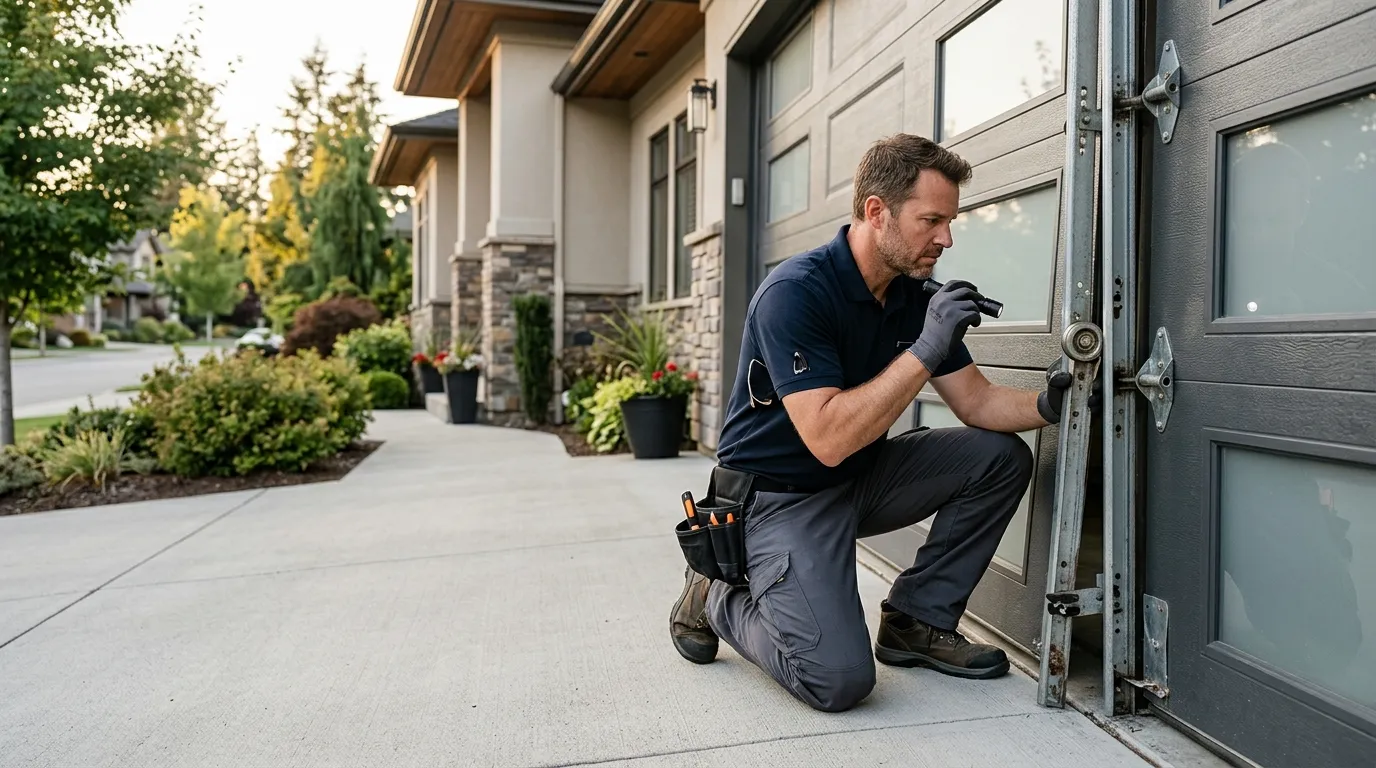
In a cold-severe winter that means the garage itself runs close to outdoor temperature, which stresses anything stored out there and, worse, stresses the door hardware itself. Steel springs and cables contract in the cold, and on hardware that's already decades old, that contraction is where the fatigue shows up first - usually as a spring failure on the coldest week of the year, not the mildest one. This is also why weatherstripping and bottom seals matter more here than they would in a milder climate band: they're not just keeping the garage warmer, they're keeping ice and slush off hardware that's already working harder than it was designed to.
Questions
Common questions
Why does my garage door feel so cold from the inside even with the heater on?
If your house was built in the 1960s-70s wave common here, the door itself is likely a single layer of steel or wood with no foam core, since insulation rules for garage doors came after most of these houses went up. Adding a bottom seal and weatherstripping helps some, but the real fix on a cold-severe winter is an insulated door.
Is it worth repairing a garage door from a house built in the 1970s?
Sometimes. If it's a roller, seal, or opener sensor issue, repair usually makes sense. If the spring, cable, and insulation are all aging out together, replacement often costs less over a few years than repeated repair calls on a door that was never built to current spec.
Can I adjust the torsion spring myself if it looks loose?
No. On hardware that's held tension for decades through severe cold winters, the steel can be more brittle than it looks, and a spring under load can fail suddenly. This is one job we tell homeowners to leave to a hands-on check rather than a DIY adjustment.
Do you cover areas outside Midland itself?
Yes, our service area runs out to towns like Homer, Sanford, Auburn, and Essexville, five to twenty miles out, where a lot of the housing is the same 1952-1994 era stock as in Midland proper.
Ready when you are
Need a garage door sorted in Midland?
Midland Garage Door Pros repairs and installs garage doors, springs and openers in Midland, MI and the surrounding area.