
Older Torsion Systems
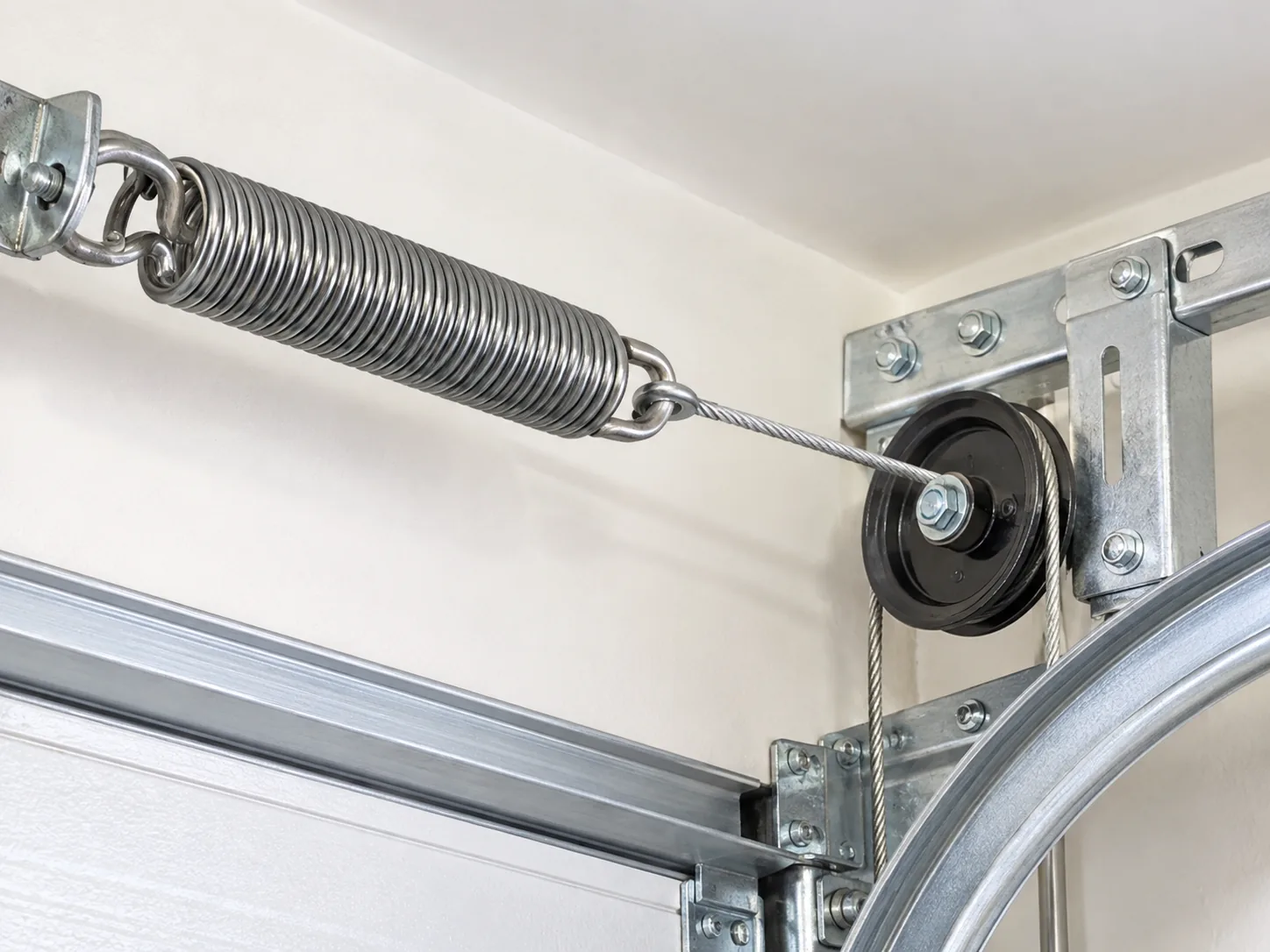
Many local garages can still use torsion hardware associated with older steel residential doors, so the spring is matched to the actual door.
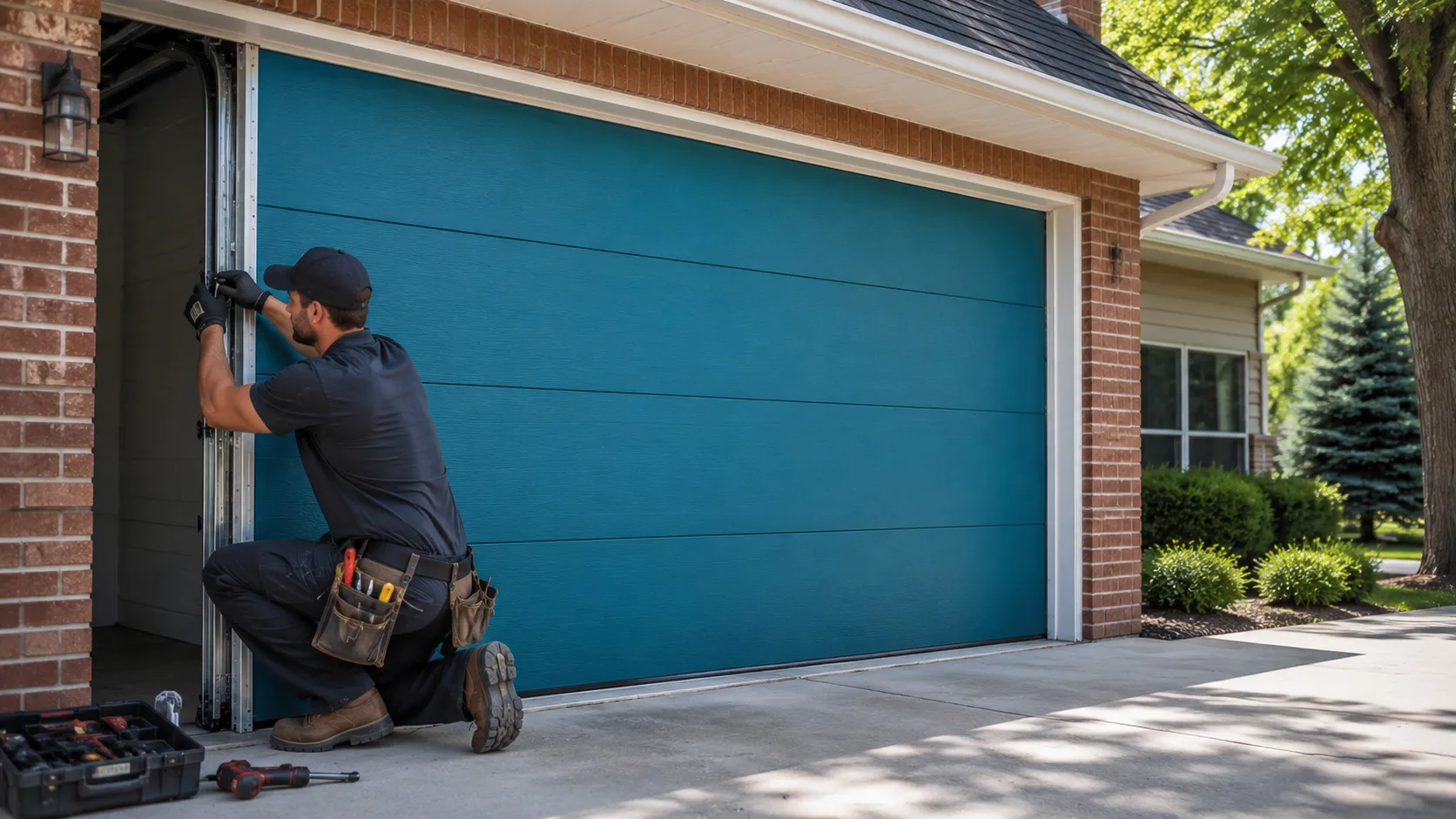
Local garage door service · Midland, MI
Garage door repair and installation for Midland homes built mostly between 1952 and 1994, covering cable repair, commercial garage doors, emergency service, maintenance, panel replacement, and the older residential systems common across the area's 1960s- and 70s-heavy housing stock.
Garage door services
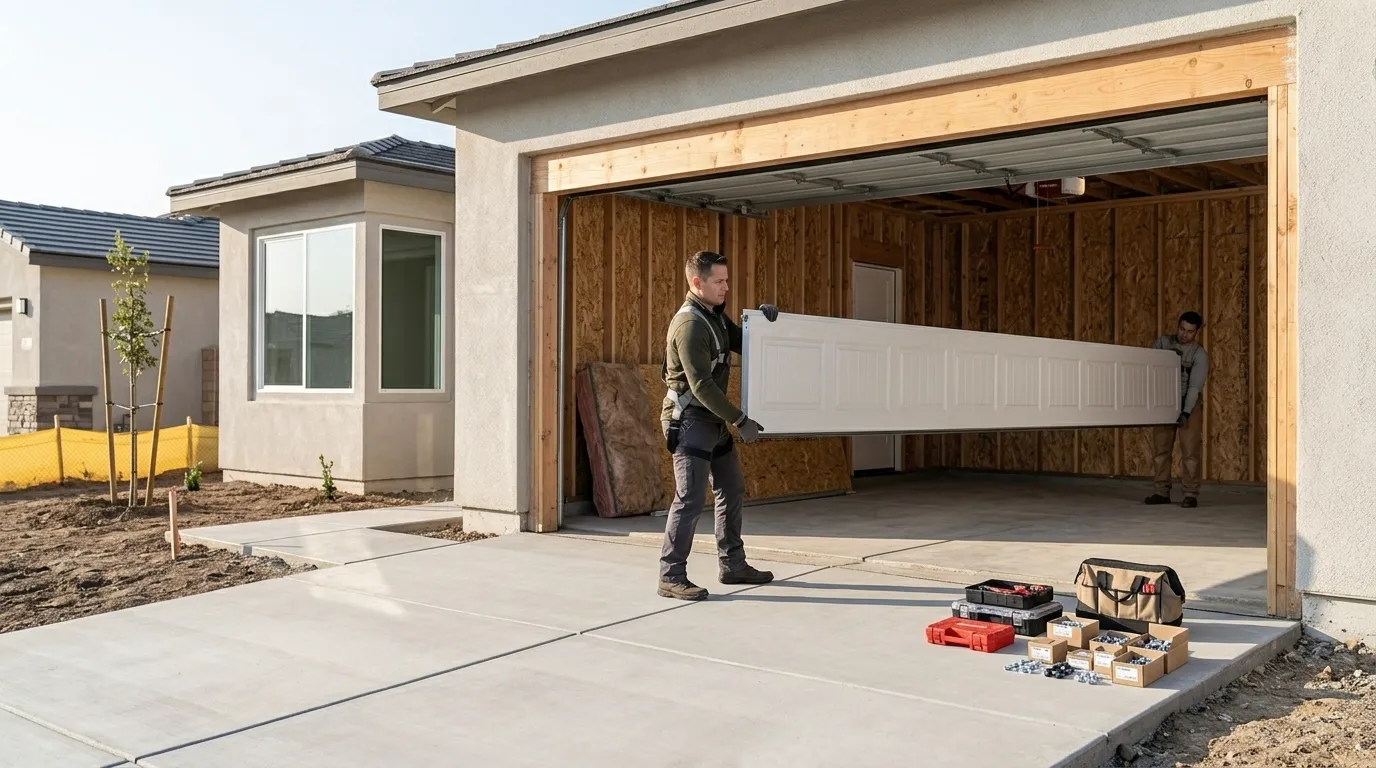
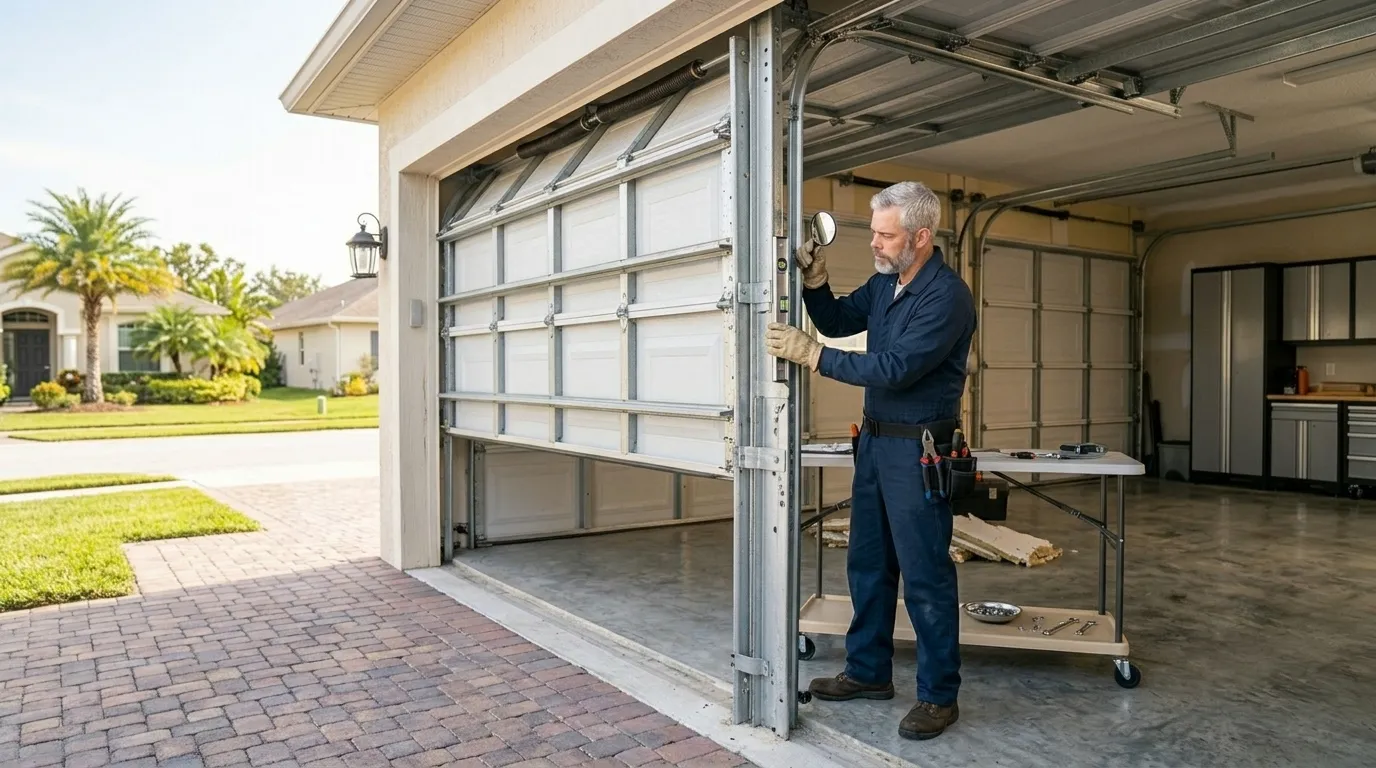
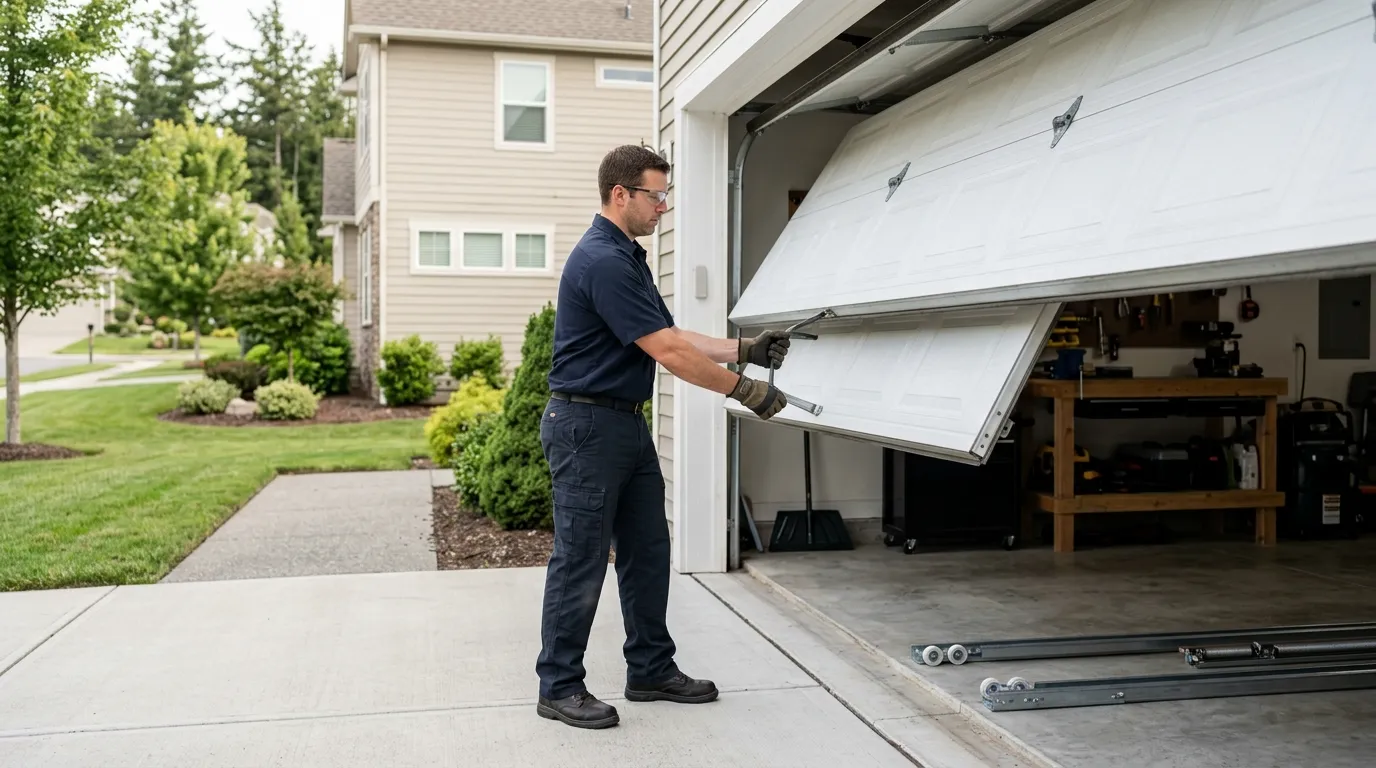
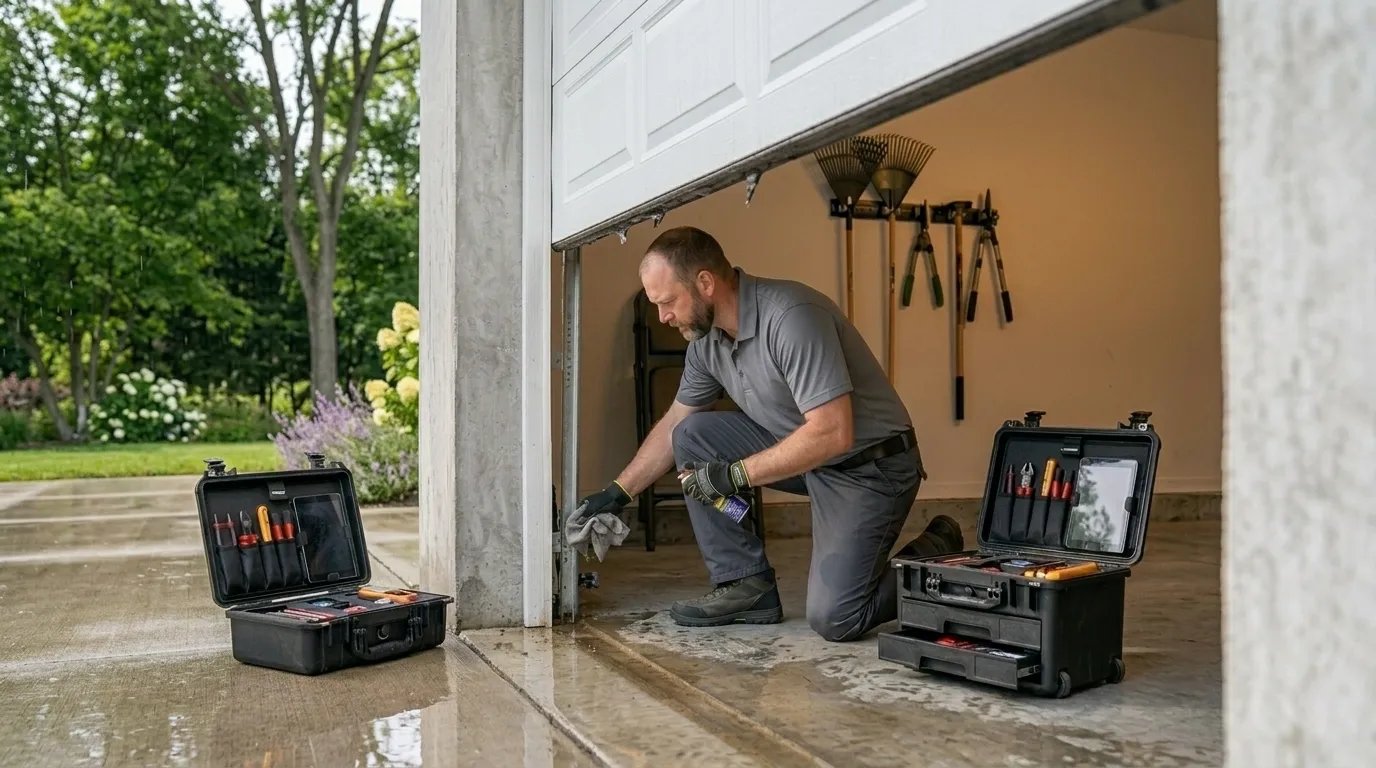
From cable repair and commercial garage doors to emergency service, installation, maintenance, panel replacement, and general garage door repair, the service lineup is built around the systems common across Midland's older housing stock.
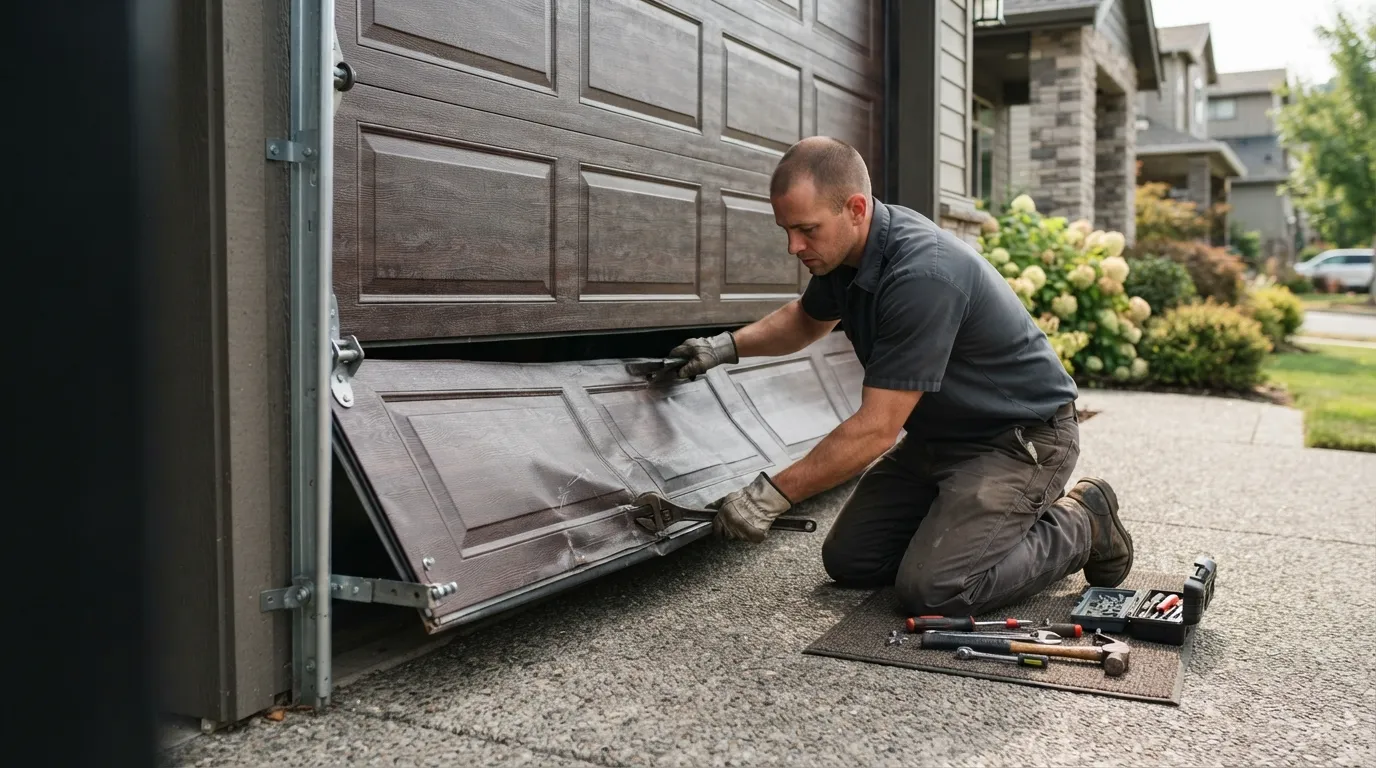
Clear repair guidance
There isn't one flat repair price, because Midland's older housing includes several generations of garage door hardware.
Spring size and configuration, door weight, track condition, opener age, cable wear, and how much of the original hardware remains can all change the repair scope.
With a typical local build year around 1973, older torsion systems and mixed-generation hardware are common service considerations.
We inspect the actual installed system before committing to a repair price rather than relying on a generic phone quote.
If an older door has reached the point where repeated repair offers poor value, that comparison is discussed before more money is put into the system.
What to expect
We start with what the door is actually doing, use the symptoms and the system's approximate age to narrow the cause, then inspect the whole system before recommending work.
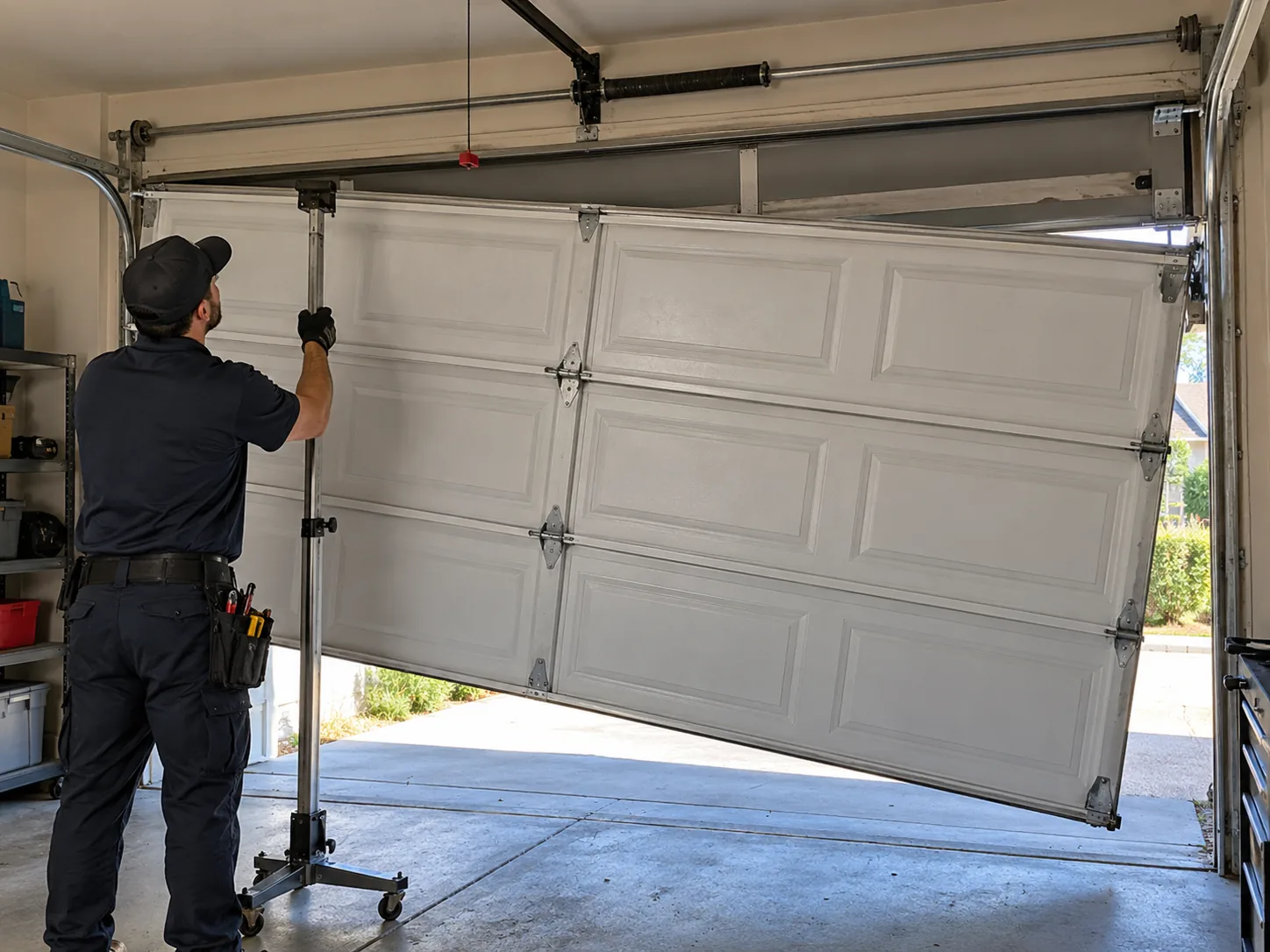
Tell us whether the door won't open, comes down crooked, made a loud bang, or the opener runs without moving the door. That symptom is the starting point.
The symptoms and approximate age of the system can help point toward springs, cables, rollers, tracks, drums, or opener components before we arrive.
We check the surrounding hardware instead of assuming the first failed component is the only problem, since older doors mix generations of parts.
The actual failure, surrounding wear, repair scope, and whether broader replacement makes more sense are discussed before work begins.
Older Hardware Can Change the Repair
A 1960s- or 70s-era door may combine original springs, tracks, drums, or cables with replacement components added later, so the installed system needs to be checked directly.
Local housing matters
The broader source service area is dominated by homes built between 1952 and 1994, with a typical build year around 1973 and much of the housing concentrated in the 1960s and 70s.
That creates a large number of garages with older torsion systems, original tracks, aging drums, replacement openers, and hardware that may have been updated only one component at a time.
There are approximately 18,597 households across the broader area, including about 13,974 owner-occupied houses.
A replacement door may therefore be hanging on much older spring, track, or mounting hardware underneath it.
The build era gives useful context, but the correct repair still depends on the system actually installed today.
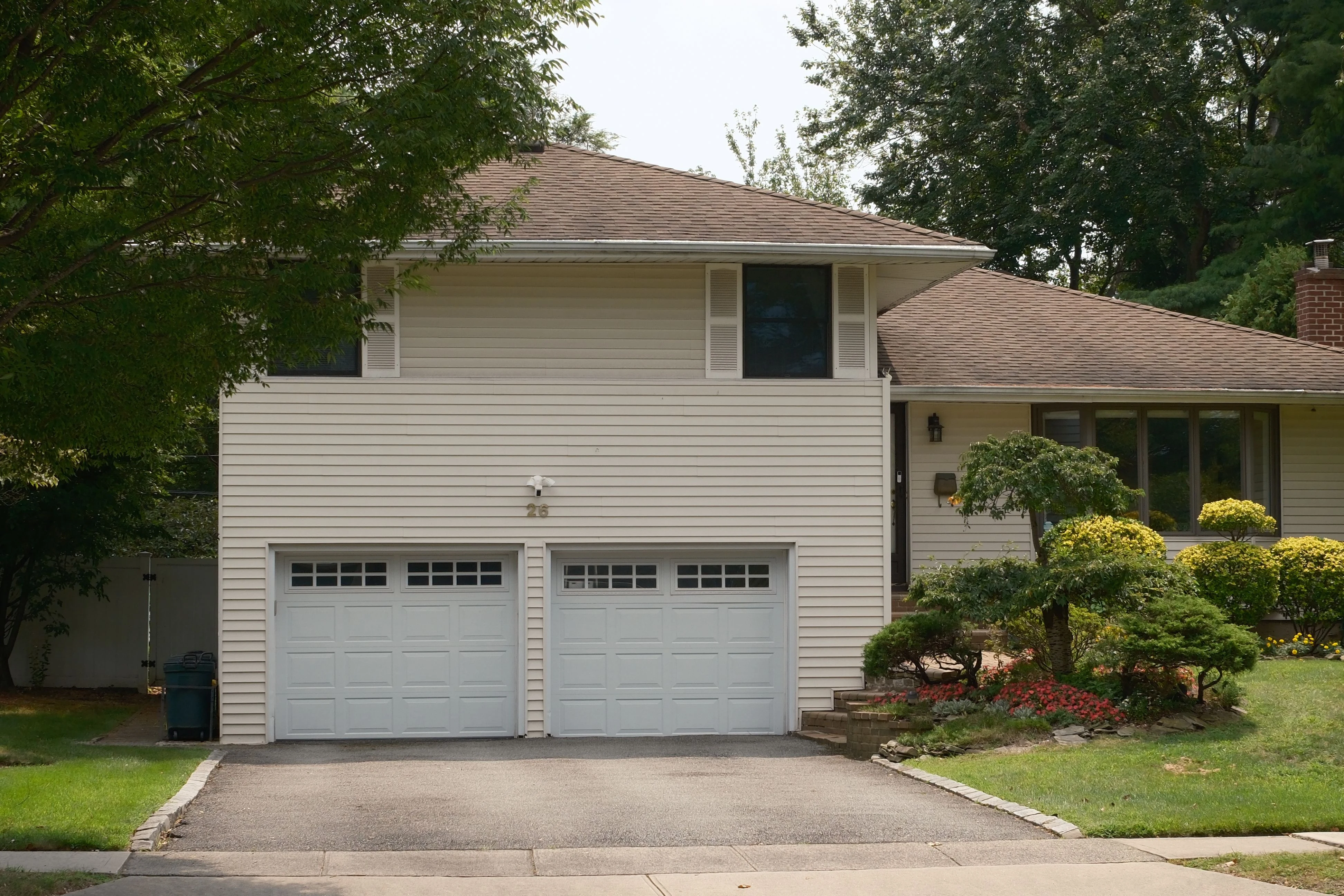
1960s–70s garage door systems
Homes concentrated around the 1960s and 70s can combine older spring systems, tracks, drums, cables, openers, panels, and replacement parts from several different generations.
Many local garages can still use torsion hardware associated with older steel residential doors, so the spring is matched to the actual door.
Some older double-door systems use a single spring rather than the paired configuration seen on many later installations, which affects the repair.
Tracks, drums, brackets, and mounting hardware can remain original even after a door or opener has been replaced, so they get checked.
An older garage may combine a newer door or opener with decades-old lifting and track hardware underneath it.
Common Midland garage door problems
Worn springs, aging cables, damaged rollers, older opener systems, track problems, and rusted hardware make up much of the work across Midland's older housing stock. Torsion spring failure is a recurring need on homes built mainly between 1952 and 1994; roller wear is common on doors that ran decades without hardware updates; cables fray around the drum and tracks drift out of alignment; and exposed brackets can corrode — so we favor targeted repair when the door and frame are still sound.
Garage door springs eventually reach the end of their useful cycle life after years of repeated opening and closing, and spring failure is a recurring call here.
Cables can fray, loosen, slip, or fail after years of carrying repeated lifting loads, often showing wear around the drum.
Older rollers can become noisy, rough, cracked, or resistant after years of regular track travel, especially without hardware updates.
Alignment problems, loosened mounting points, impact, or corrosion can affect how smoothly the door travels, so the fix addresses the cause.
Older opener motors, gears, controls, circuit boards, and drive systems can eventually develop operating problems while the door itself stays repairable.
Cold-weather garage door wear
Midland sits on the severe end of a cold climate band, and winter conditions tend to expose existing spring, cable, roller, seal, corrosion, and balance problems rather than causing a failure by cold alone.
Cold-weather operation can expose weakness in a spring that is already approaching the end of its useful cycle life, which is why springs often let go in winter.
Existing cable fraying or drum wear can become more noticeable when an older lifting system is already under additional resistance.
Worn rollers or marginal alignment can become easier to notice when the door is not moving as freely in cold conditions.
Exposed brackets, tracks, retainers, and other steel hardware can develop corrosion over years of seasonal moisture.
Keep the system moving
With much of the local housing now decades into regular use, periodic inspection can catch spring fatigue, cable wear, roller damage, track movement, corrosion, and opener strain before a small issue becomes a complete failure.
Changes in door balance can indicate the spring system is no longer carrying the door as effectively as it should, which is worth catching early.
Fraying, uneven winding, looseness, or visible wear can point to developing lifting-system problems before a failure.
Noise, vibration, rough travel, and visible roller wear can signal developing roller or alignment issues before they worsen.
Bottom brackets, track hardware, hinges, and retainers can be checked for corrosion, looseness, or long-term wear.
Repair or replace?
A broken spring, cable, roller, panel, or isolated hardware problem does not automatically mean the complete garage door needs replacement. Replacement becomes more practical when several major components or the structure itself are failing together.
A targeted repair can make sense when the panels, tracks, rollers, opener, and surrounding structure remain serviceable. One failed part is no reason to replace a sound door.
Worn rollers and manageable alignment problems can often be corrected without replacing the complete door, restoring smooth travel.
Replacement becomes more practical when several original lifting, track, panel, and opener components are all reaching the end of their useful life.
If the door and frame remain solid and one component is the actual problem, complete replacement isn't the default recommendation.
Service areas
Questions
Houses in this area were mostly built between 1952 and 1994, and a lot of the original torsion springs, drums, and openers are still in place. Parts sized for that era aren't always what's on the shelf for newer doors, so knowing the build year helps us bring the right spring the first time instead of making a return trip.
Not a firm number. Spring size, track condition, and whether the opener is original all change the cost, and we can't see any of that over the phone. We can tell you what factors drive the price up or down once we know roughly how old the door and opener are.
We cover Midland and the surrounding communities out to about 20 miles, including Homer, Lincoln, Auburn, Sanford, Freeland, and towns further out like Fremont and Essexville. If you're near the outer edge of that range, booking a little ahead helps with scheduling.
Depends what's actually gone. If the spring or rollers failed but the door and track are sound, fixing it is usually the cheaper and faster path. If the hardware is original from a 1960s or 70s build and multiple parts are worn out at once, replacement can end up the better value over time. We'll tell you which situation you're in.
Ready when you are
Tell us what the door is doing and we'll help you figure out whether you're dealing with a cable, panel, spring, track, emergency problem, maintenance issue, aging hardware, or a system that's reached the point where replacement makes more sense.