
Complete spring failure
The door won't budge, or it opens a few inches and stops, because the spring that was doing most of the lifting work is gone and the opener isn't built to lift the weight alone.
Midland, MI
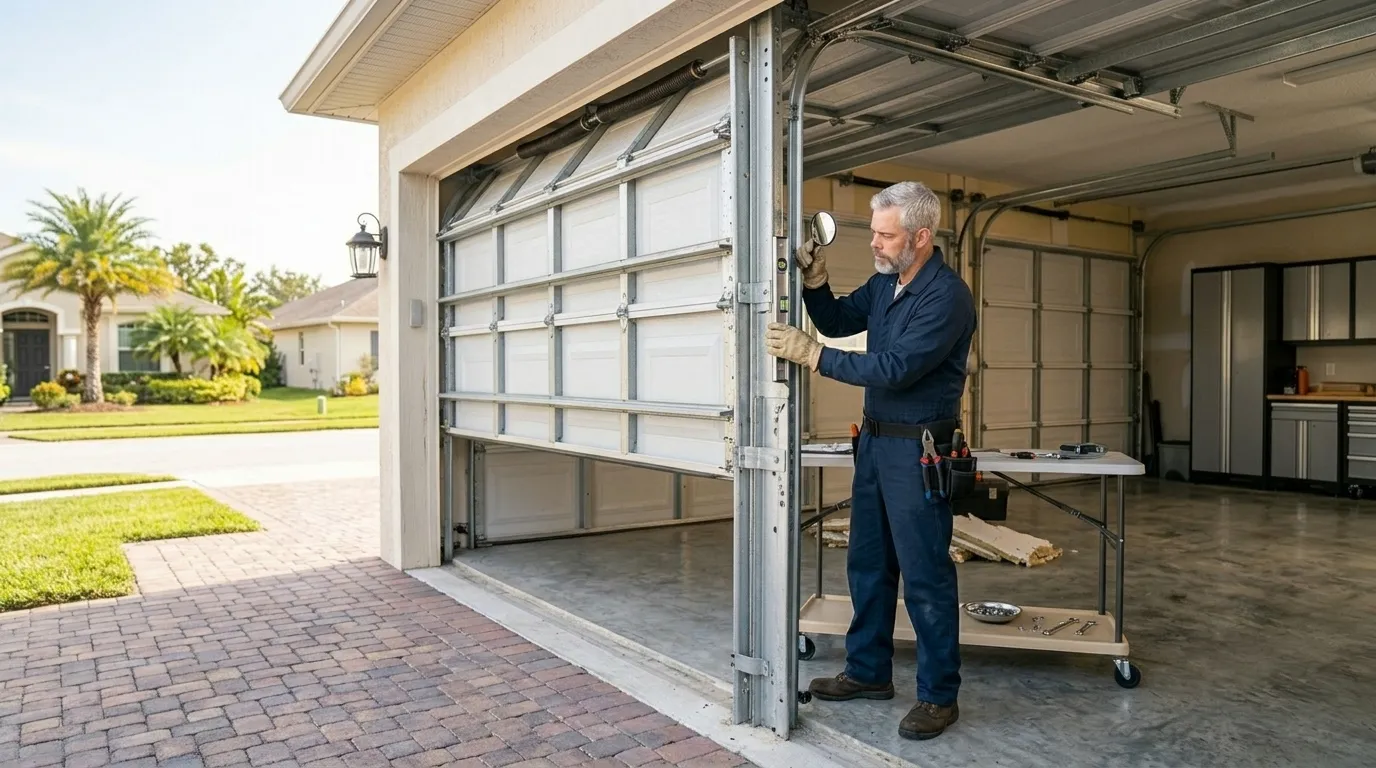
Torsion springs on Midland's 1960s-70s builder-grade doors fail under repeated winter cold snaps. Local repair for original hardware still on 13,974 owner-occupied houses here.
Local causes
Most of the housing stock around Midland went up between 1952 and 1994, with the median build year sitting at 1973. That means a huge share of the doors we get called on are still running the torsion or extension spring setup the builder put in during the 1960s and 70s across the sixteen named areas we cover. Steel springs are rated for a set number of open-close cycles, and that number doesn't care how old the house is - it just counts. A spring installed when Nixon was in office has been through a lot of winters.
That matters more here because Midland sits in a severe cold climate band. Steel contracts as it gets cold, and a spring that's already fatigued from forty-plus years of cycling loses tension faster in sub-freezing temps. The same goes for rollers and hinges on original steel doors - the metal gets brittle, lubrication thickens, and a track that was already slightly out of alignment from decades of settling starts binding hard on the first really cold morning of the season. It's not bad luck. It's the math of an old spring meeting a cold snap.
Our process
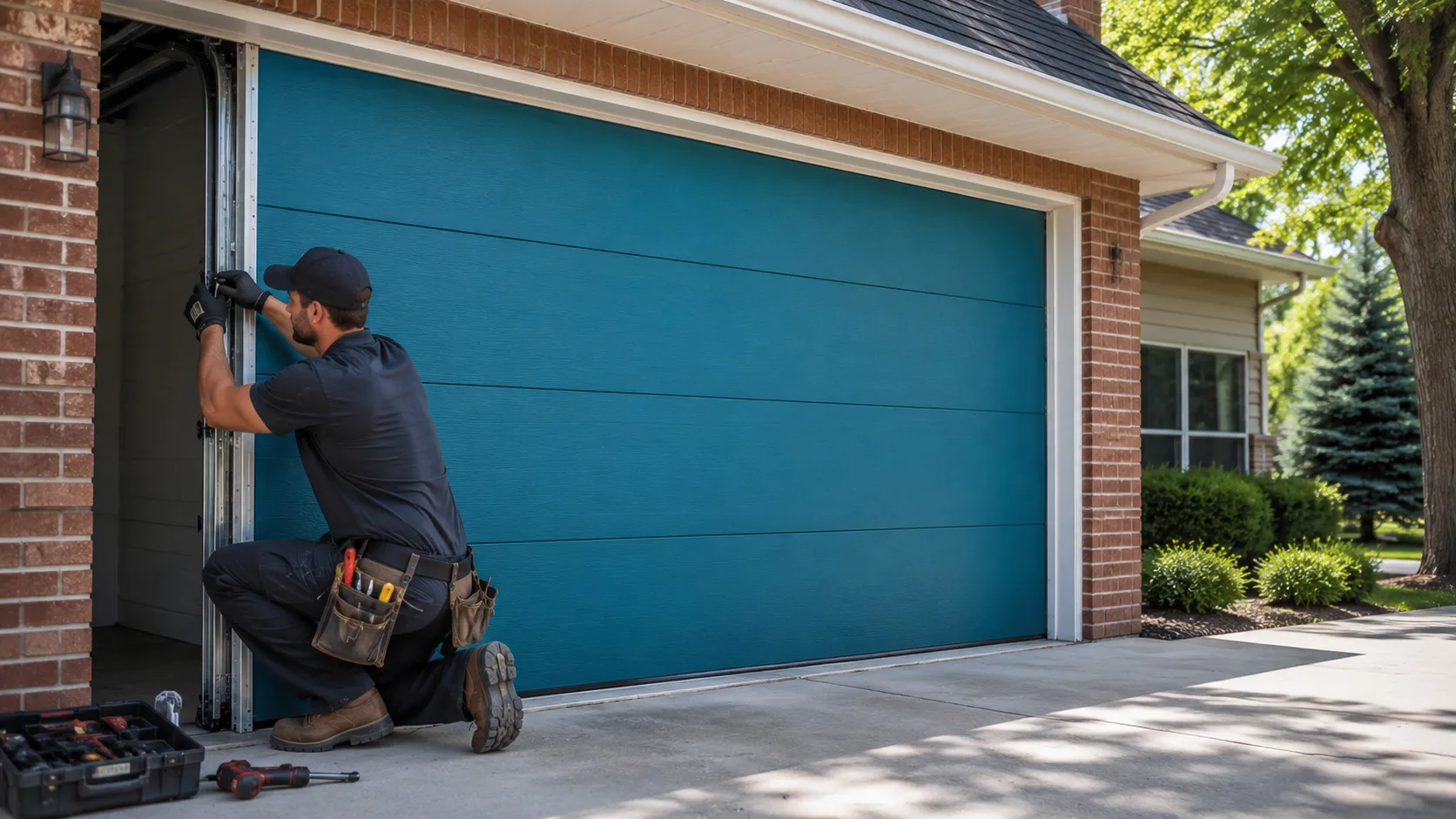
For a snapped or sagging torsion spring, we match the wire size, coil length, and wind direction to what's actually on your door rather than swapping in a generic replacement - a mismatched spring on a door this old just fails again sooner.
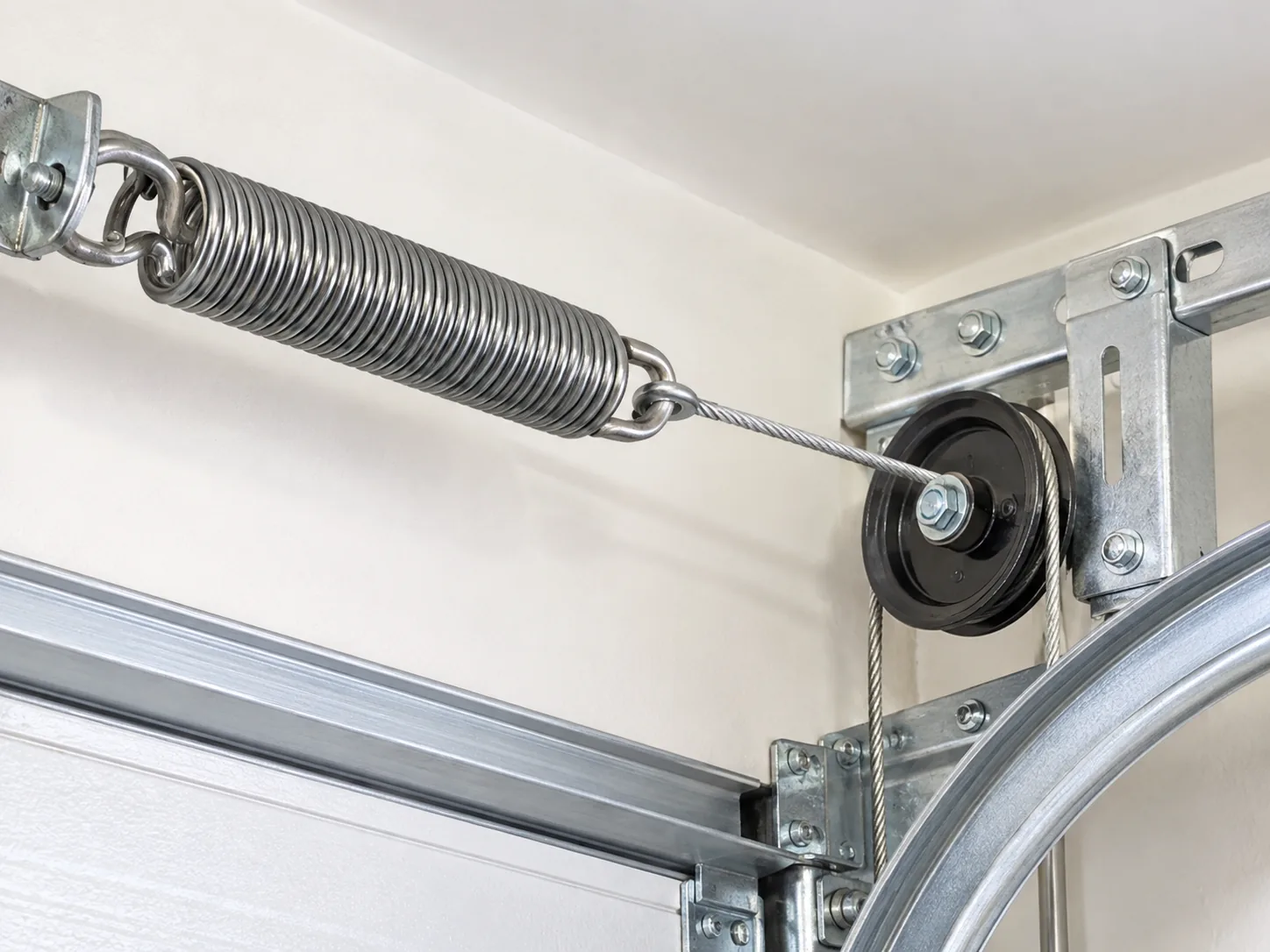
Extension springs on older Midland doors often lack the safety cables that current code expects, so when we replace one, we add the cable rather than leave the door as we found it. On track and roller issues, we check for the kind of frame settling common in houses built in the 1960s and 70s before we just re-hang the door - a track re-aligned on a foundation that's still shifting is a repair that doesn't hold.
Where the opener itself is the problem, we test the drive gear and circuit board before replacing anything, since a lot of "dead opener" calls turn out to be a burnt-out switch, not a motor.
One honest limit: if a door's torsion hardware is the original 1970s-era side-mount style, matching springs and drums can mean a parts order rather than a same-visit fix. On doors that old, we'll usually tell you straight that replacing the whole spring system costs about the same as chasing parts for the original one, and lasts a lot longer.
Symptoms
The calls we get from this area tend to follow a pattern. A loud bang from the garage, usually early morning after a cold night - that's a torsion spring letting go under tension it can no longer hold.
The door won't budge, or it opens a few inches and stops, because the spring that was doing most of the lifting work is gone and the opener isn't built to lift the weight alone.
Other calls come in as a door that's visibly crooked, hanging lower on one side, or rollers that grind and catch partway through the cycle. That's usually a cable that's frayed or jumped its drum, common on doors running original 1960s-70s hardware that's simply outlasted its rated cycles.
If your door reverses right after it starts closing, or the opener runs but the door doesn't move, that's more often a broken spring than an opener problem, even though the opener is what people notice first.
Downtime
A snapped spring on a standard double door is usually a same-visit repair once we're on site, since torsion springs in common sizes are stock parts. The garage is back in normal use as soon as the new spring is set, balanced, and cycled a few times to check it.
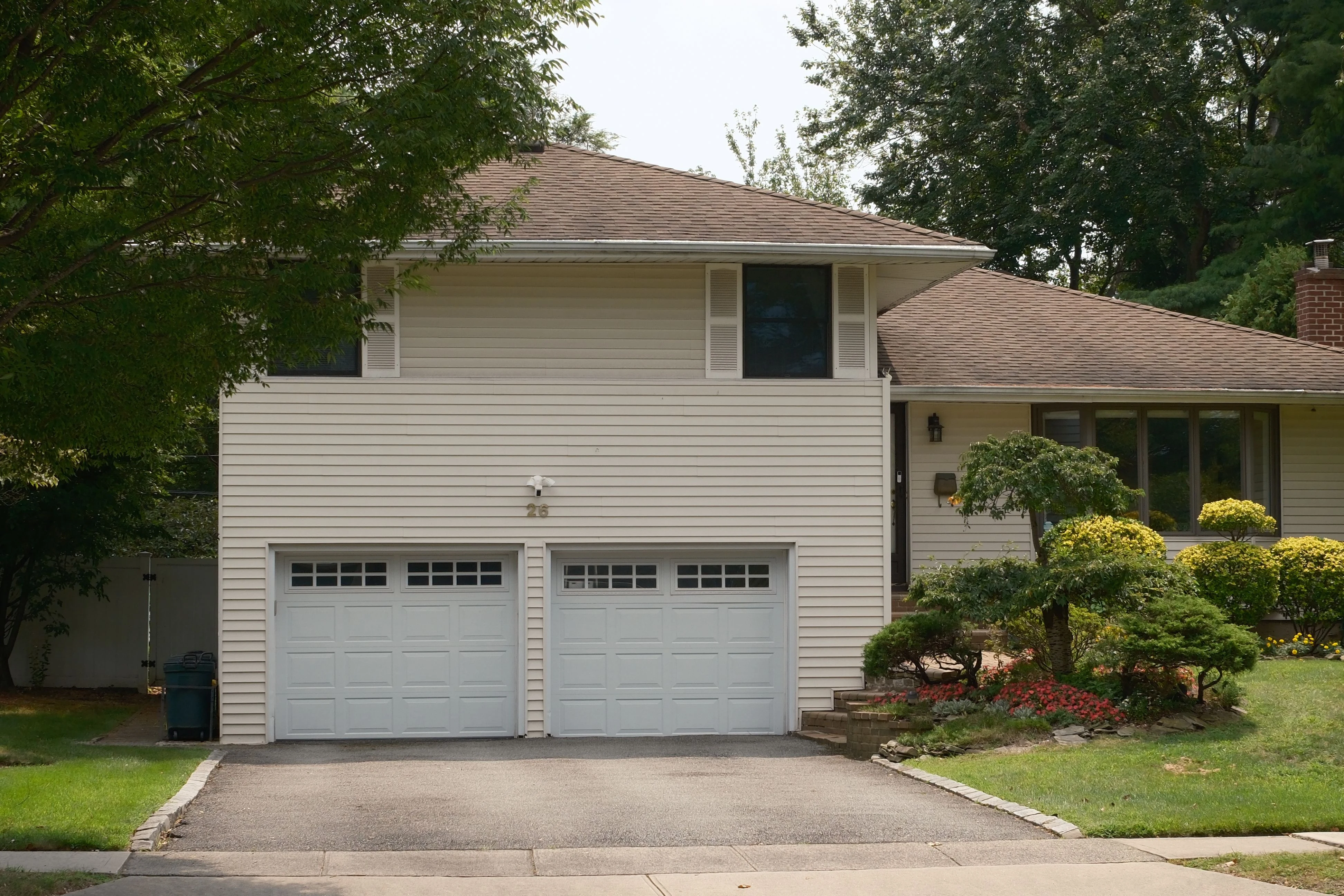
Where it takes longer is the older, non-standard hardware still found on a fair number of Midland houses built before the 1980s - odd spring lengths, obsolete drums, or extension setups that need a part ordered rather than pulled off the truck. In that case you're looking at the door staying closed and locked, not left open, until the part is in hand.
If the fix is track or roller work rather than a spring, the door is usually usable again the same day, though we'll tell you not to run it hard until any alignment work has had a chance to be checked under a few full cycles.
Questions
Midland sits in a severe cold climate band, and steel springs lose flexibility and tension faster in freezing temperatures, especially once they're already fatigued from years of cycling. Combine that with a lot of local doors still running original 1960s-70s springs, and a hard cold snap is often the final push on a spring that was already near the end of its life.
If your house was built in the median era for this area, around 1973, there's a real chance the torsion or extension spring setup is original. A lot of that hardware predates current safety-cable standards. We check the wind, size, and mount style on site before quoting a repair.
Often yes - a broken spring, worn roller, or misaligned track is a repair, not a replacement. The exception is original hardware from older builds where matching parts means an order rather than a same-visit fix; in that case a full spring system replacement can cost about the same and last longer.
We don't quote a blanket response time here since it depends on the day and what's already on the schedule. What we can tell you is that a standard torsion spring repair, once we're on site, is usually finished the same visit.
Explore more
Ready when you are
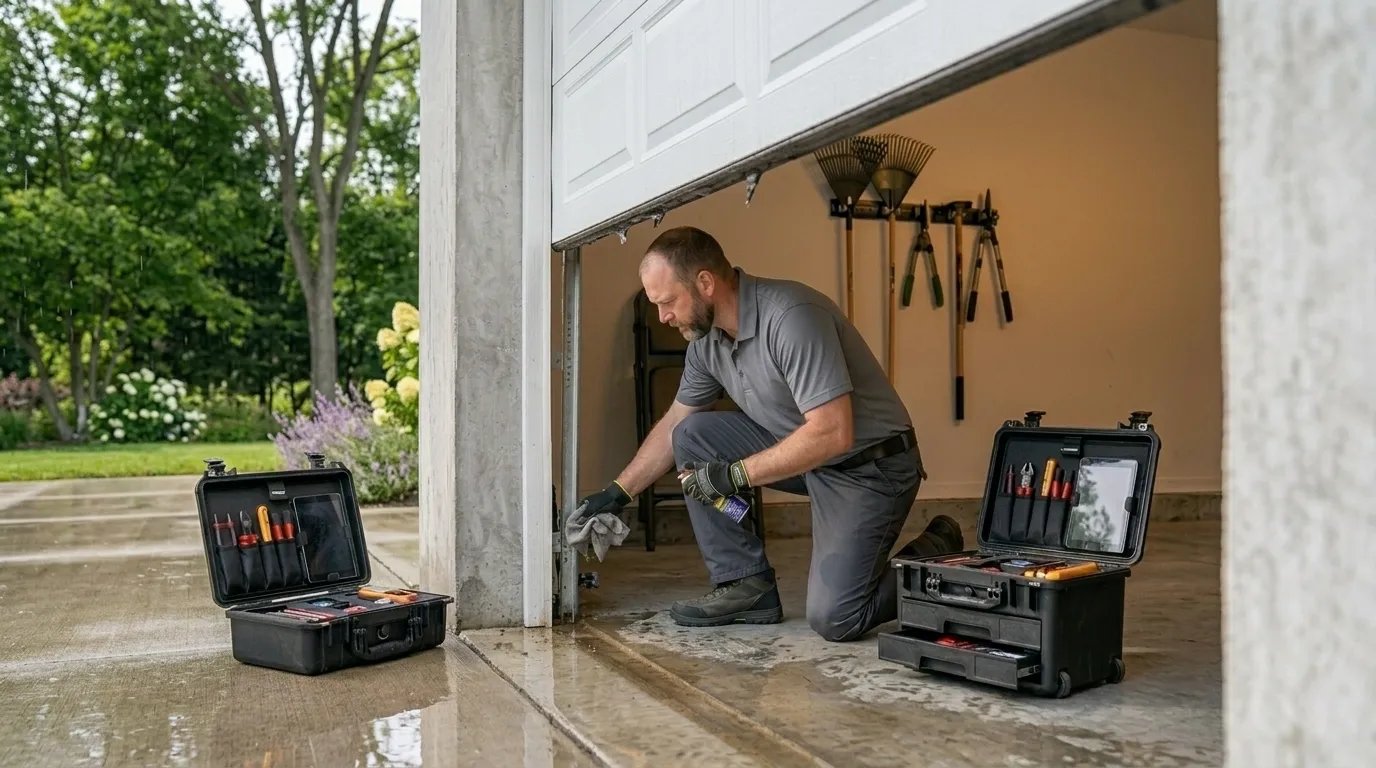
Midland Garage Door Pros repairs and installs garage doors, springs and openers in Midland, MI and the surrounding area.