
Guide
A Spring That Breaks in Midland Cold Weather
Midland's housing dates mostly to 1952-1994, and cold-severe winters push aging torsion springs past their limit. Here's what to check, what to leave, and why
Local detail
Checking It Yourself
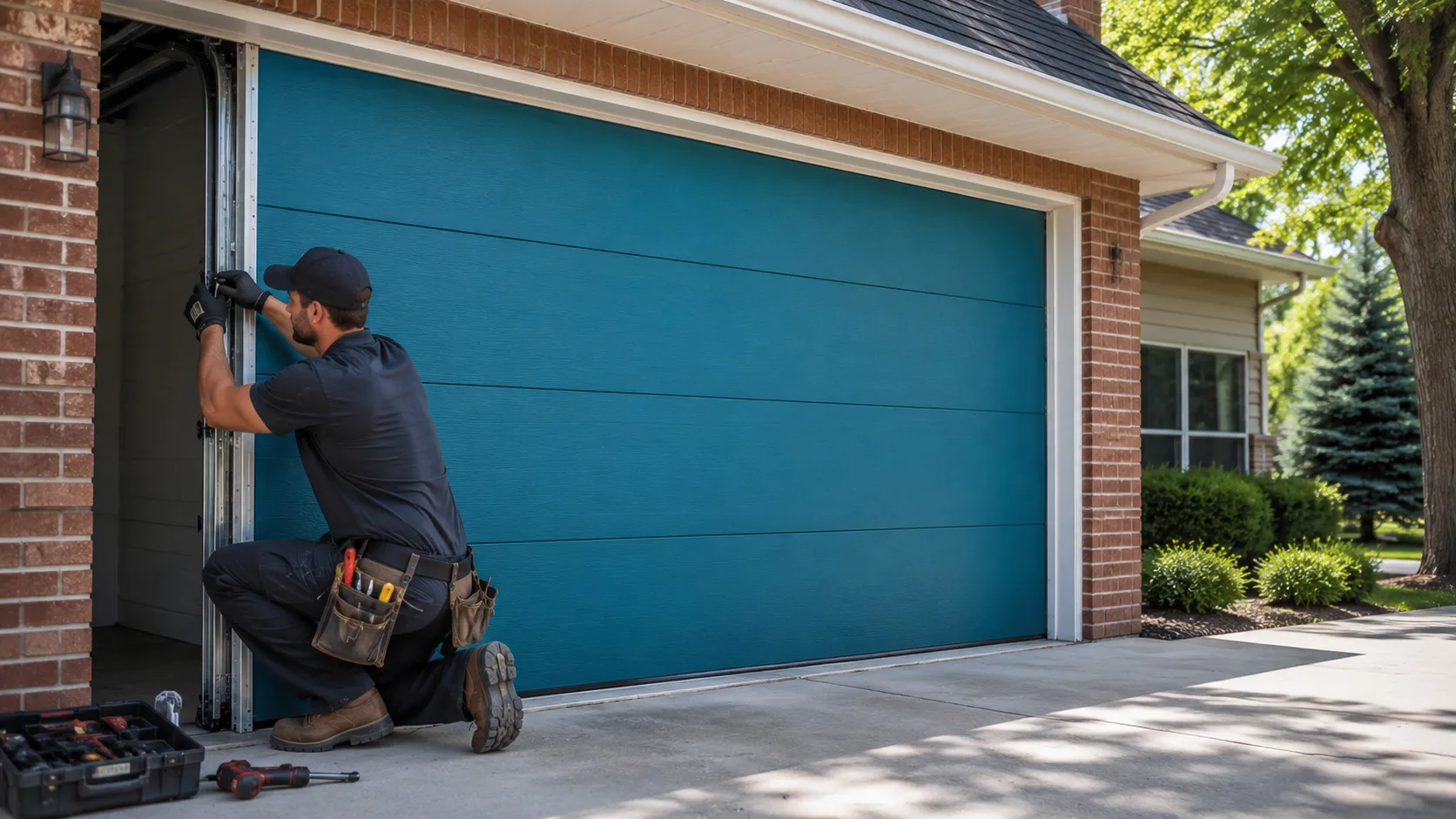
If your door won't budge and you hear a bang before it happens, look at the spring above the door first, not the opener. On the torsion setup common in this area's 1950s-through-90s housing, a broken spring shows as a visible gap in the coil, usually on one side of the shaft. You can check that much from the garage floor without touching anything.
What you can safely do: pull the emergency release cord and see if the door moves by hand with light effort. If it's heavy or drops fast, the spring is gone or badly weakened. Check whether the cable on that side has slack or has jumped the drum - that's a visual check only, from a few feet back.
What you should not do is try to lift the door past that point, force the opener to run it, or loosen anything near the torsion tube. Cold makes steel brittle, and a spring that's been flexing since the 1960s or 70s already has decades of fatigue in it before winter even starts working on it. A wound spring under tension in freezing temperatures is not a diagnose-and-fix job for a Saturday morning.
The area
Leaving It Alone
A torsion spring holds enough stored tension to cause a serious injury, and cold weather doesn't reduce that tension - it just makes the metal less forgiving when it lets go. This isn't a job for winding cones and a couple of bars from the hardware store, especially on a door with the older single-spring setups still common on original 1960s and 70s builds in this area.
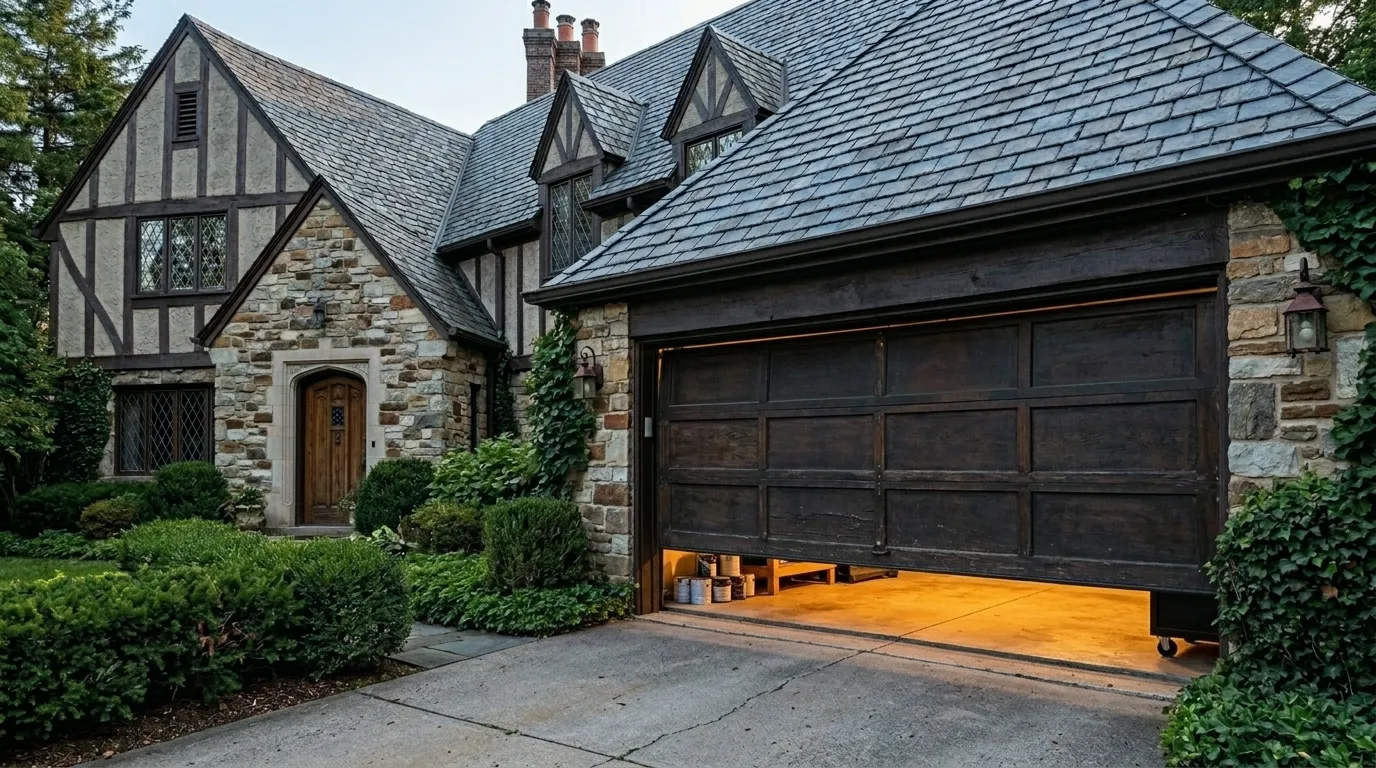
Here's the honest limitation: if the spring is original to a house built in that median-1973 window, we're not always going to recommend a straight spring swap. Fifty years of fatigue on one spring often means the drum, bearing plate, or cable on that side isn't far behind, and replacing just the spring can mean a second call within a year. Sometimes the right call is replacing both springs and the hardware they sit on at once, even though that costs more up front.
We'd rather tell you that now than have you pay twice. If you're not sure whether your situation calls for a full hardware refresh or a straight swap, that's a phone call, not a guess.
What we find
The Situation
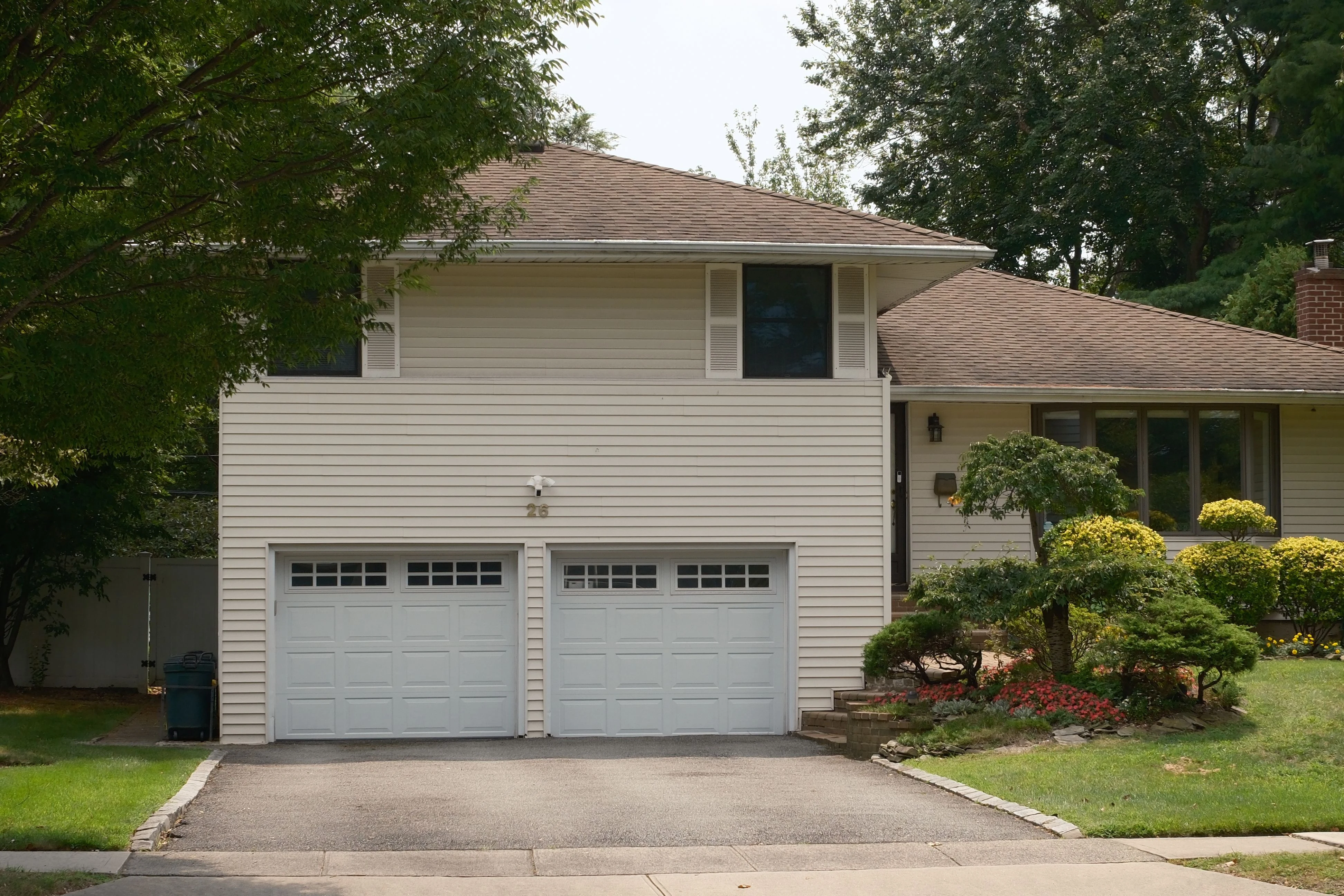
Housing in this service area mostly went up between 1952 and 1994, with the median landing around 1973, and that one number explains most of what we see on winter spring calls. A torsion spring installed when a house was built in the early 1970s is now past the point where most manufacturers rate the wire for continued use, even with no other signs of wear.
Across the sixteen communities this shop reaches - Homer, Lincoln, Auburn, Sanford, Freeland, Richland, Kawkawlin, Hemlock, Merrill, Shields, Bentley, Fraser, Zilwaukee, Fremont, Breckenridge, and Essexville - the bulk of the stock is still that same 1960s-70s build, which means a lot of the same-vintage hardware sitting on a lot of different doors. With 13,974 owner-occupied houses across the area, that's not a rare setup - it's the majority setup.
What that means practically: if your neighbor's spring went last winter and your house went up around the same era, yours is on borrowed time too. It's not a coincidence when several calls in the same stretch of streets come in during the same cold week.
How we work
How Local Conditions Play In
This area sits in a cold-severe climate band, and that's the second half of the equation. Steel contracts in the cold, and a spring that's already fatigued from fifty winters of flexing has less give left to absorb that contraction. That's why spring failures cluster on the first hard cold snap of the season rather than spreading evenly through the year - the metal that survived last winter with a hairline fracture doesn't survive this one.
A spring in a milder climate might limp along for another season past the point where one here gives out, simply because it isn't cycling through the same freeze range. Combine that with a door and hardware set that's been in place since the early 1970s median build year, and you get a predictable pattern: older springs, harder cold, more breaks in the same week across the same neighborhoods.
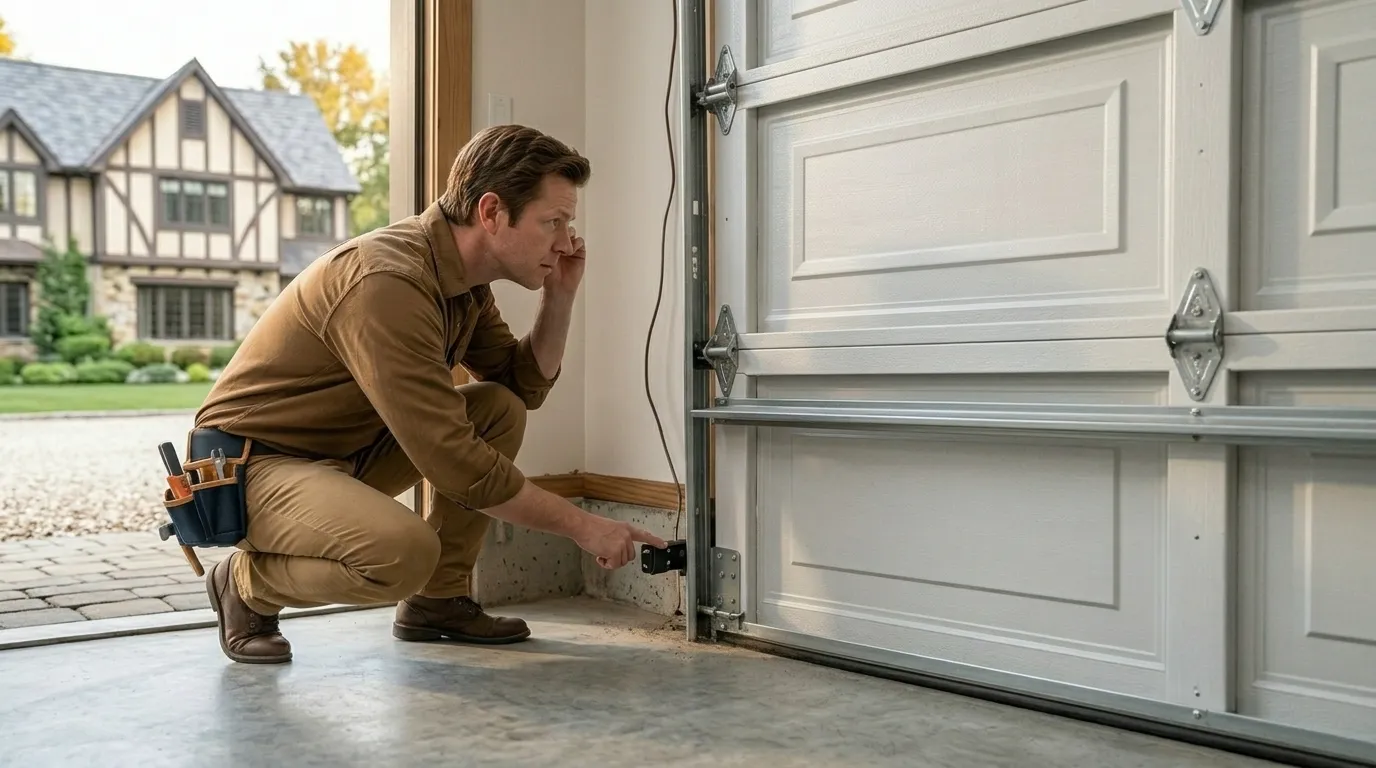
We can't tell you your exact spring is about to go without seeing it. What we can tell you is that age plus this climate band is the combination that ends most torsion springs around here, and it's worth having it looked at before the coldest stretch of the year rather than after it fails.
Questions
Common questions
Why do garage door springs seem to break more in winter here?
Cold makes steel less flexible, and most houses in this area were built between 1952 and 1994 with a median around 1973, so a lot of torsion springs are already decades old. Add a cold-severe climate band on top of that fatigue and the first hard freeze tends to be when a weakened spring finally lets go.
Can I replace a broken torsion spring myself?
We don't recommend it. A wound torsion spring holds enough tension to cause serious injury, and that risk doesn't go down in cold weather - the metal just gets less forgiving. It's a job that calls for the right winding bars and experience with tension, not a weekend project.
If one spring breaks, should I replace both?
On an older setup where the springs are original to a house from the 1960s or 70s, we often suggest replacing both, since the second one is usually close behind on fatigue even if it hasn't failed yet. It costs more up front but tends to save a second service call the following winter.
Ready when you are
Need a garage door sorted in Midland?
Midland Garage Door Pros repairs and installs garage doors, springs and openers in Midland, MI and the surrounding area.